
Series - FotoSlovo 2026 - Category « Architecture and Urban life »
Honorable Mention
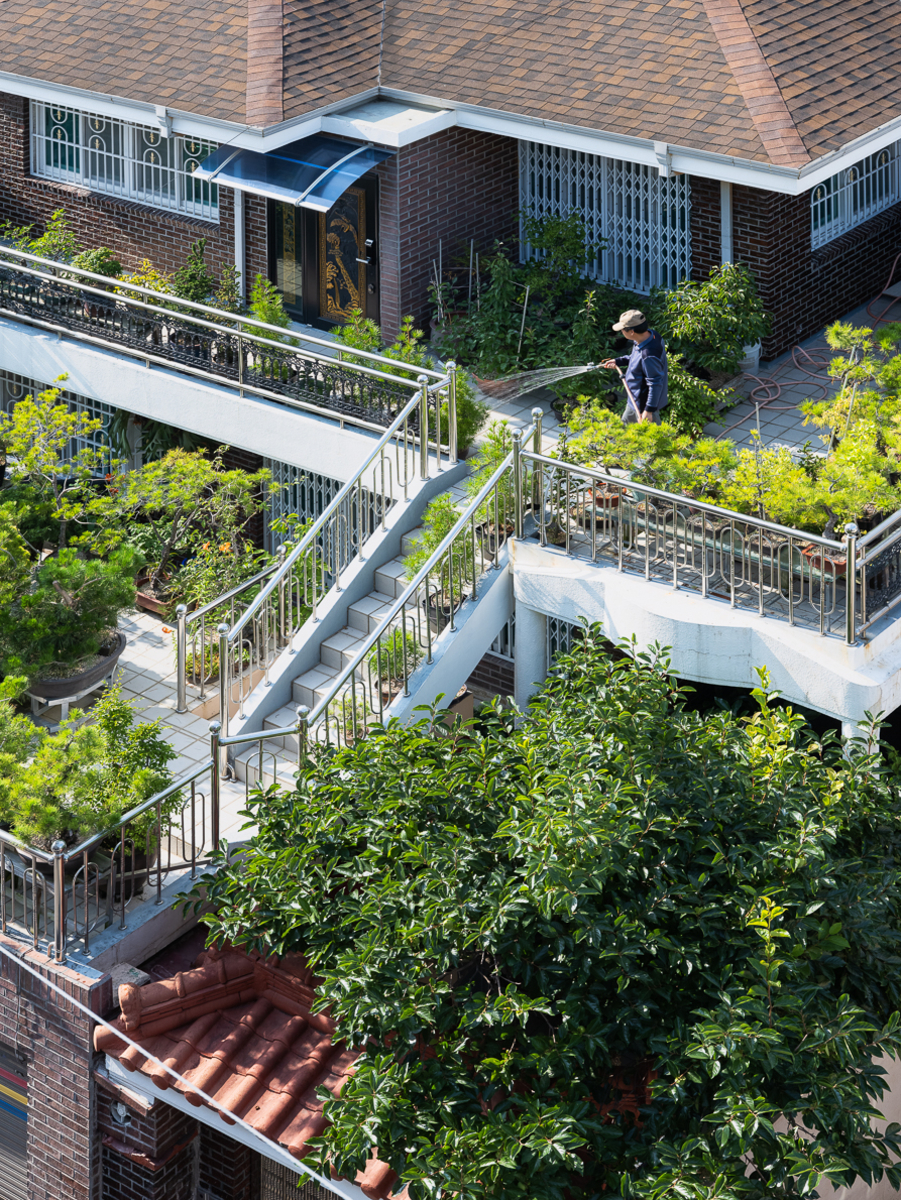
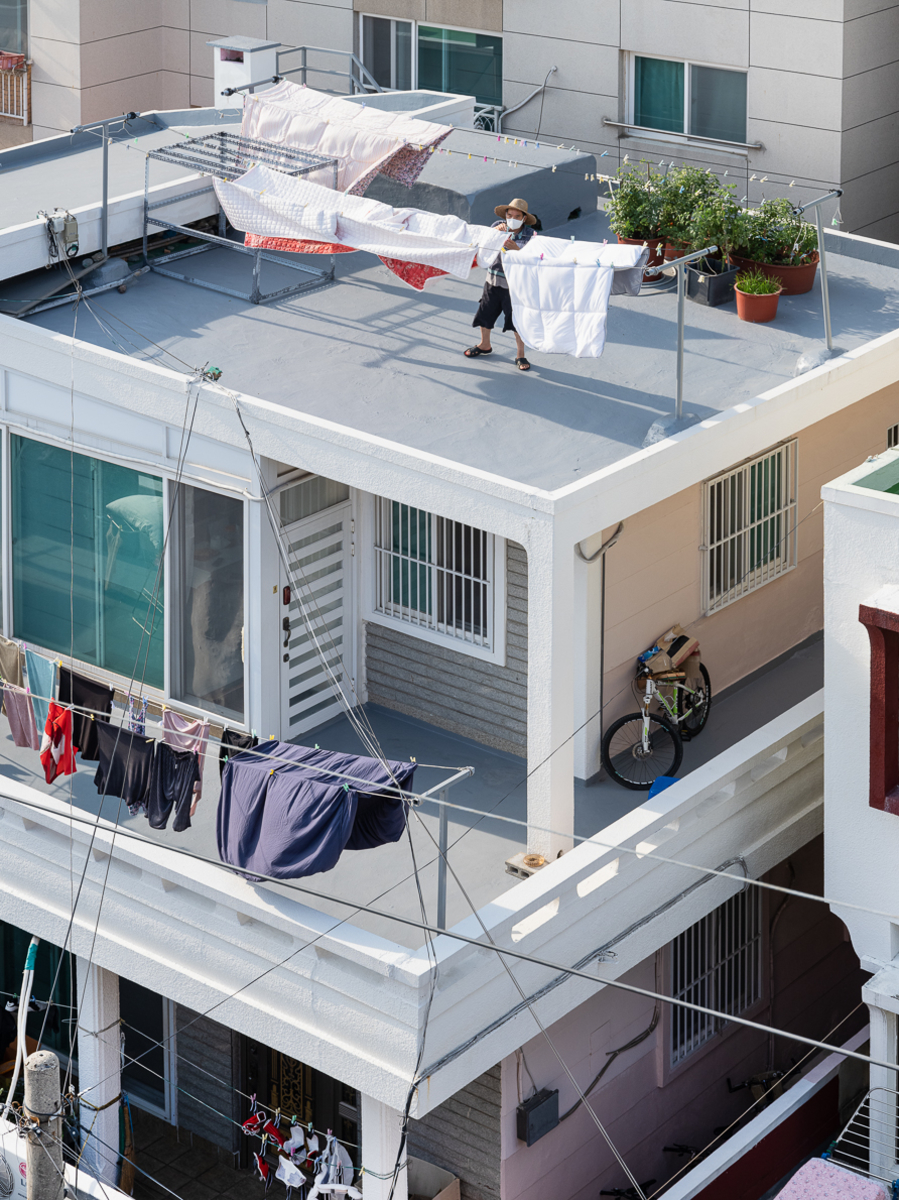
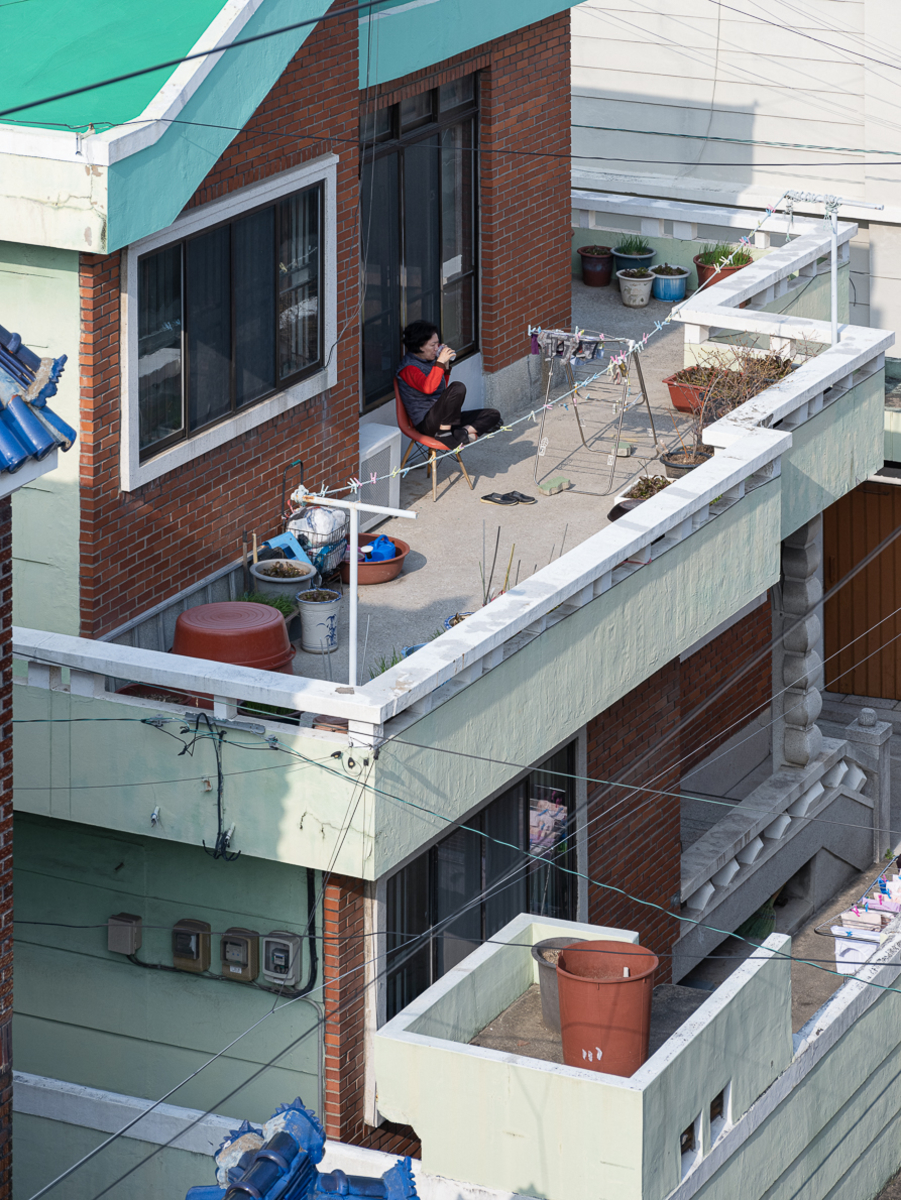
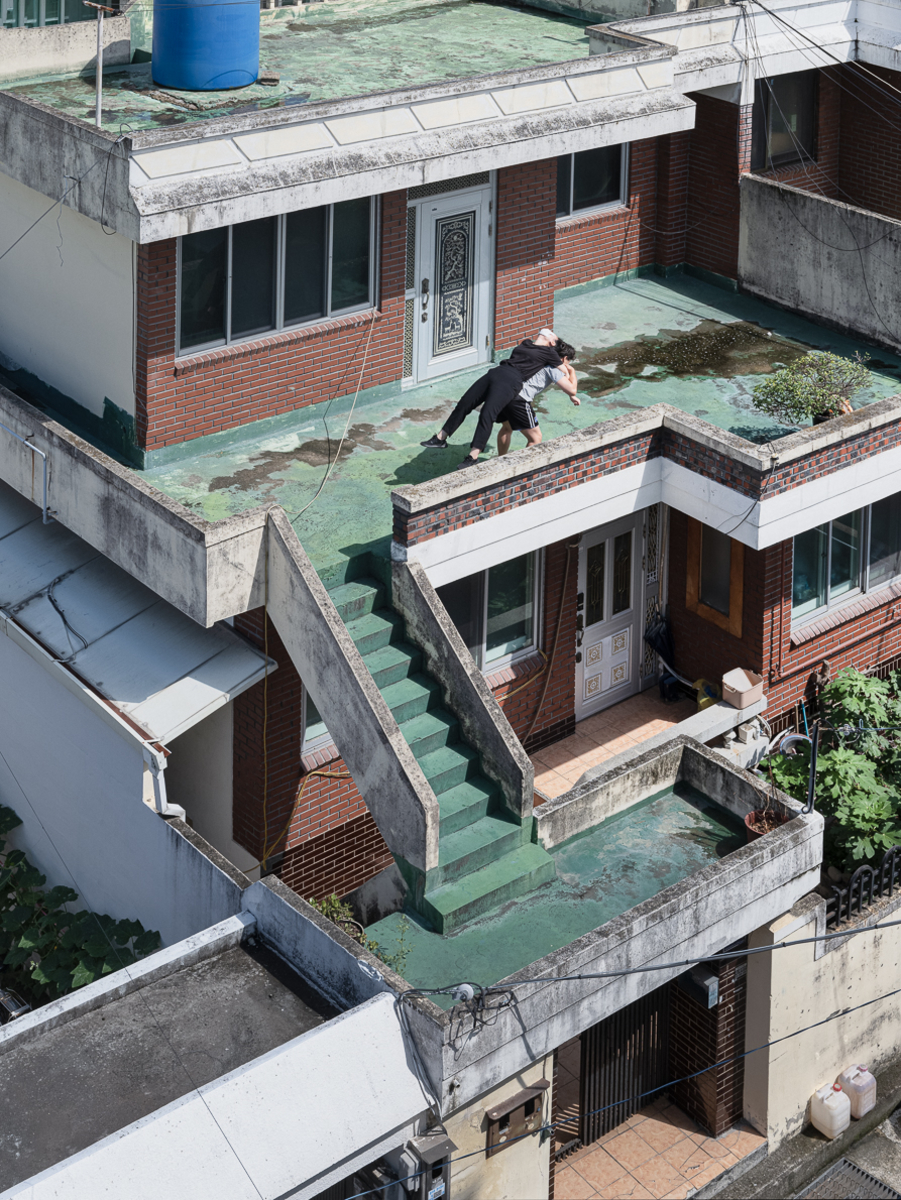
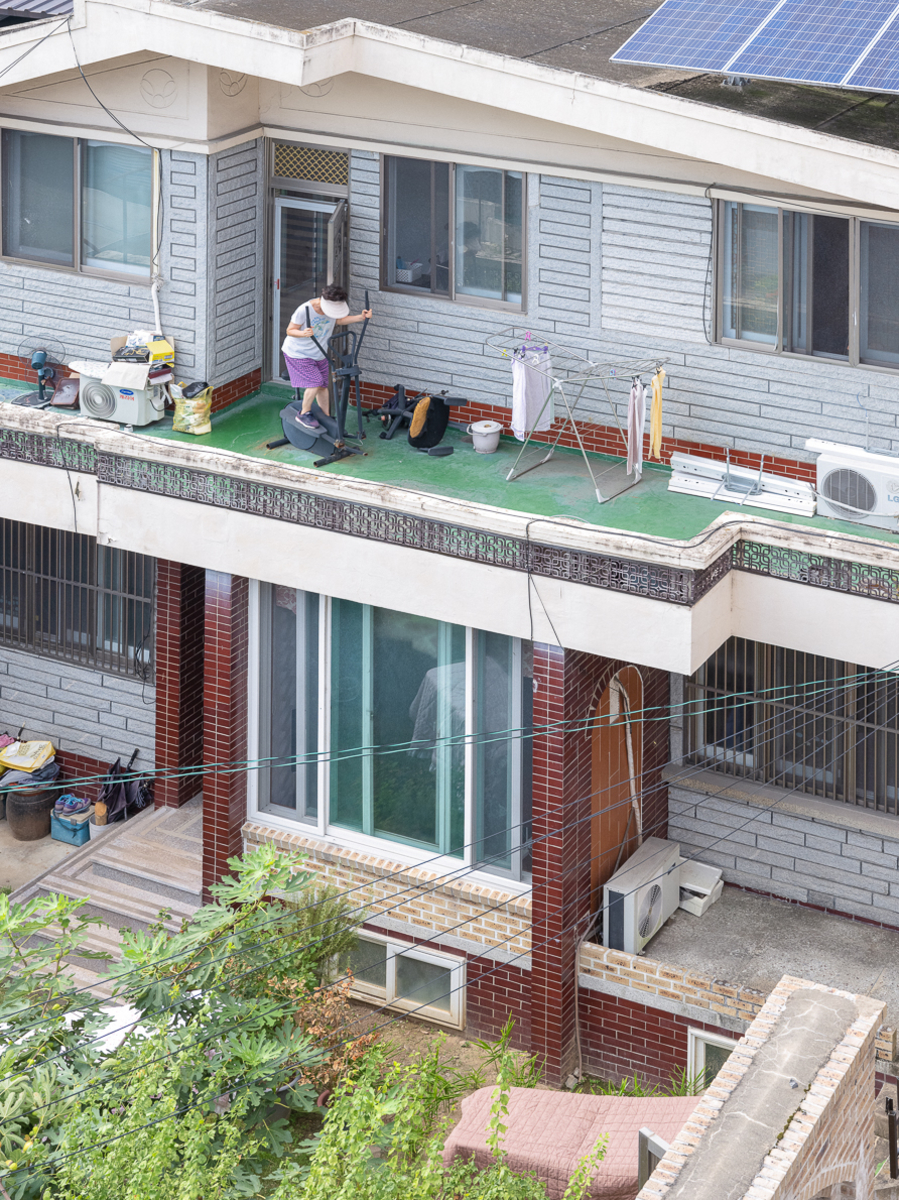
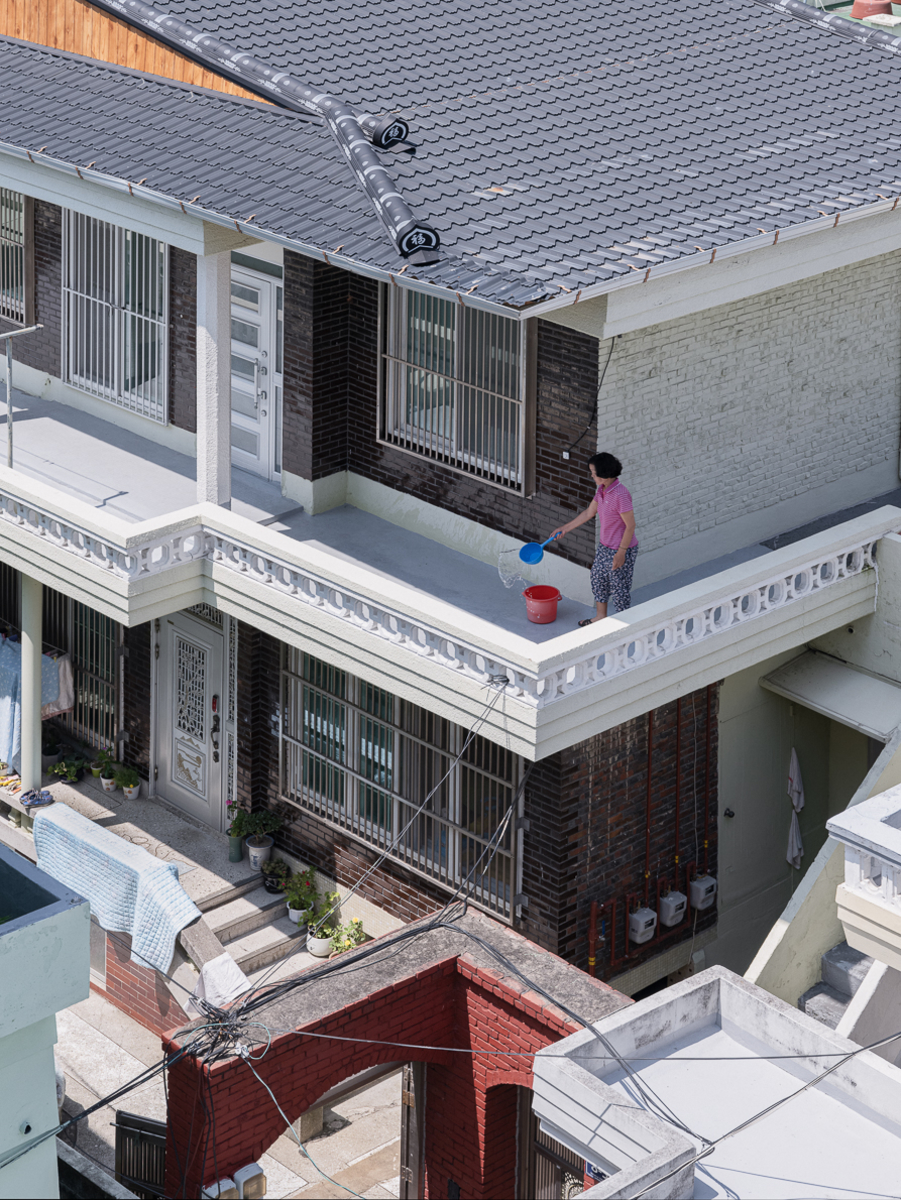
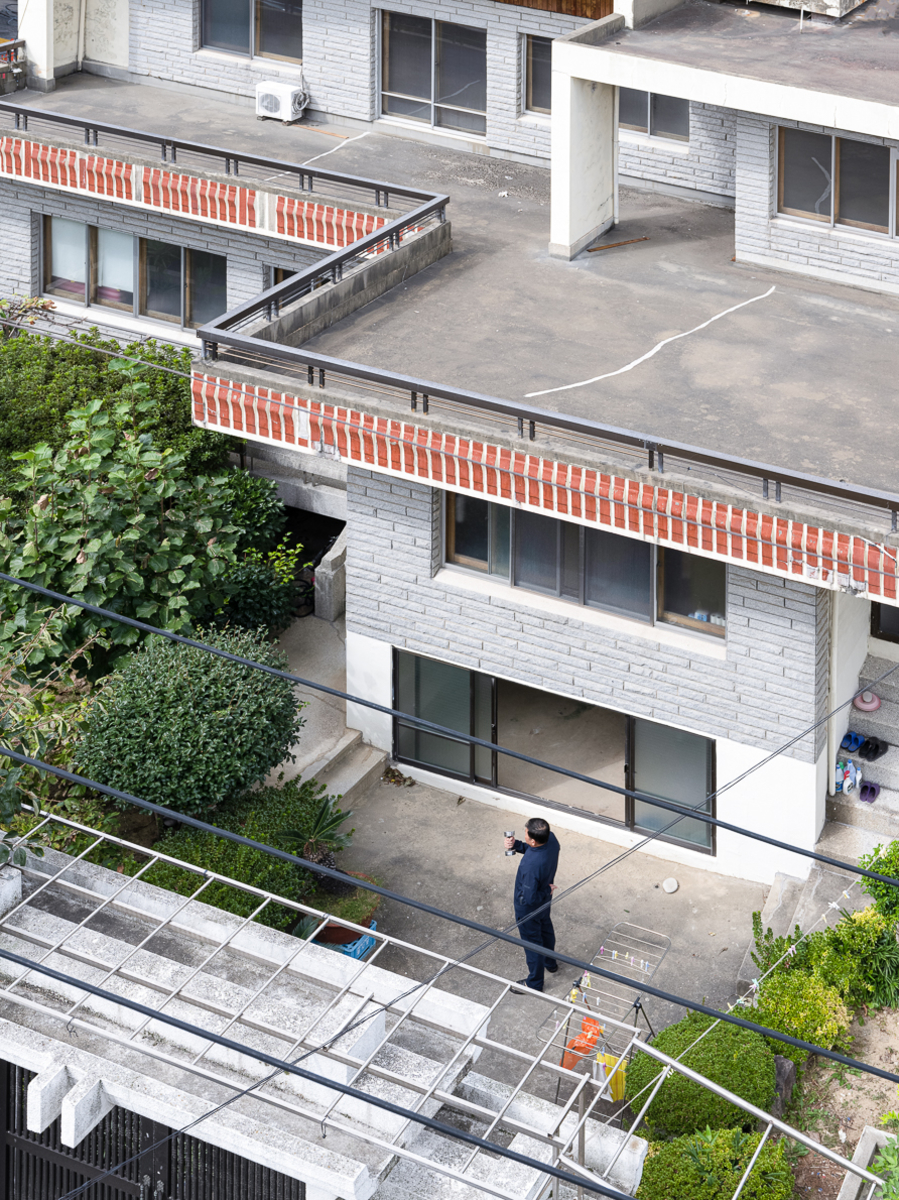
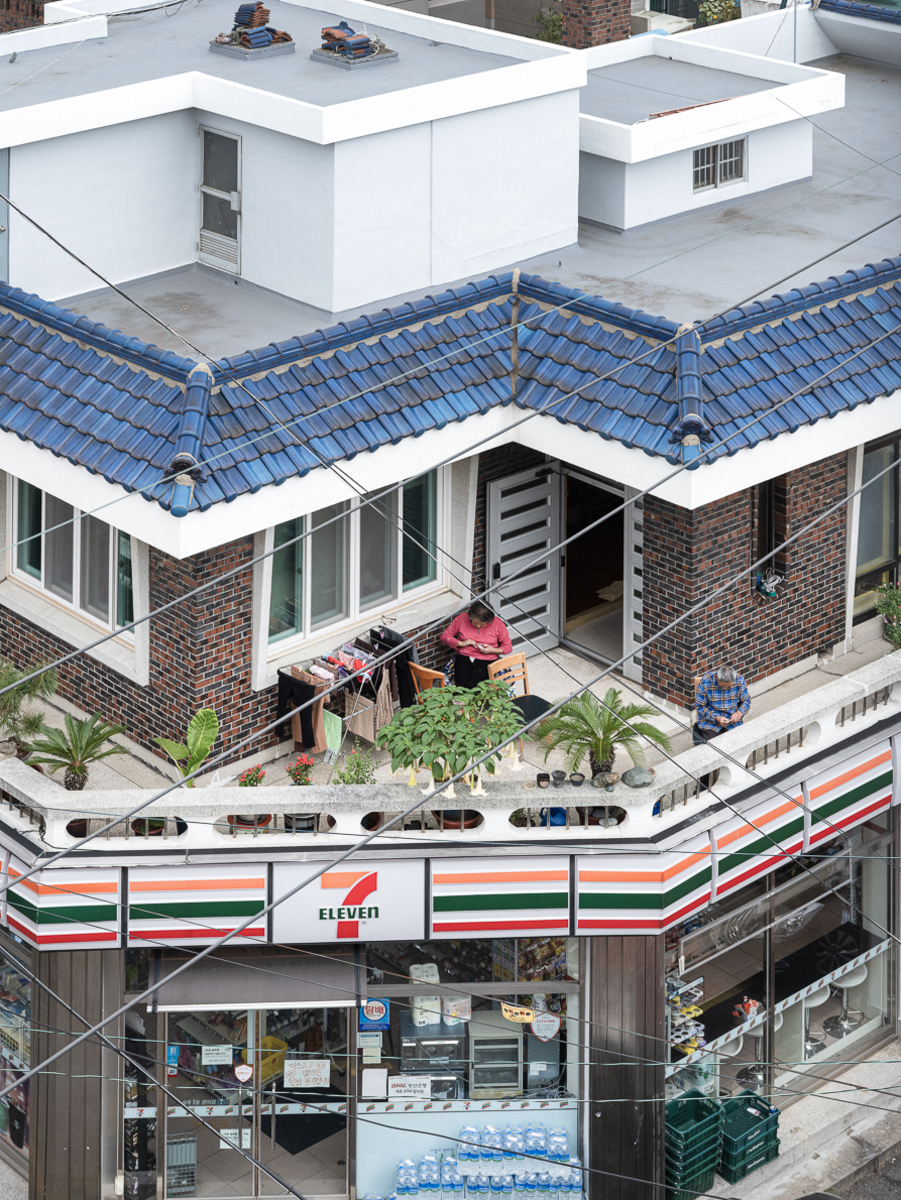
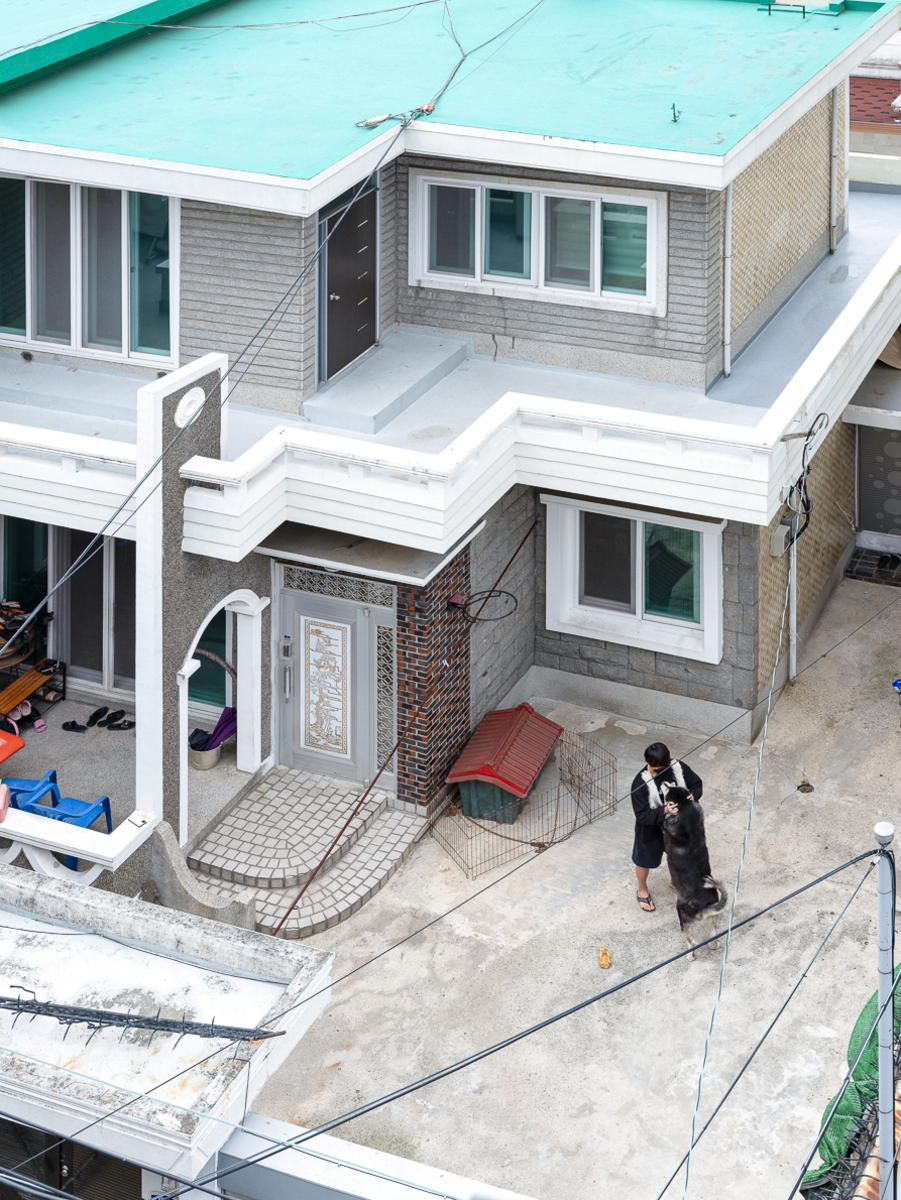
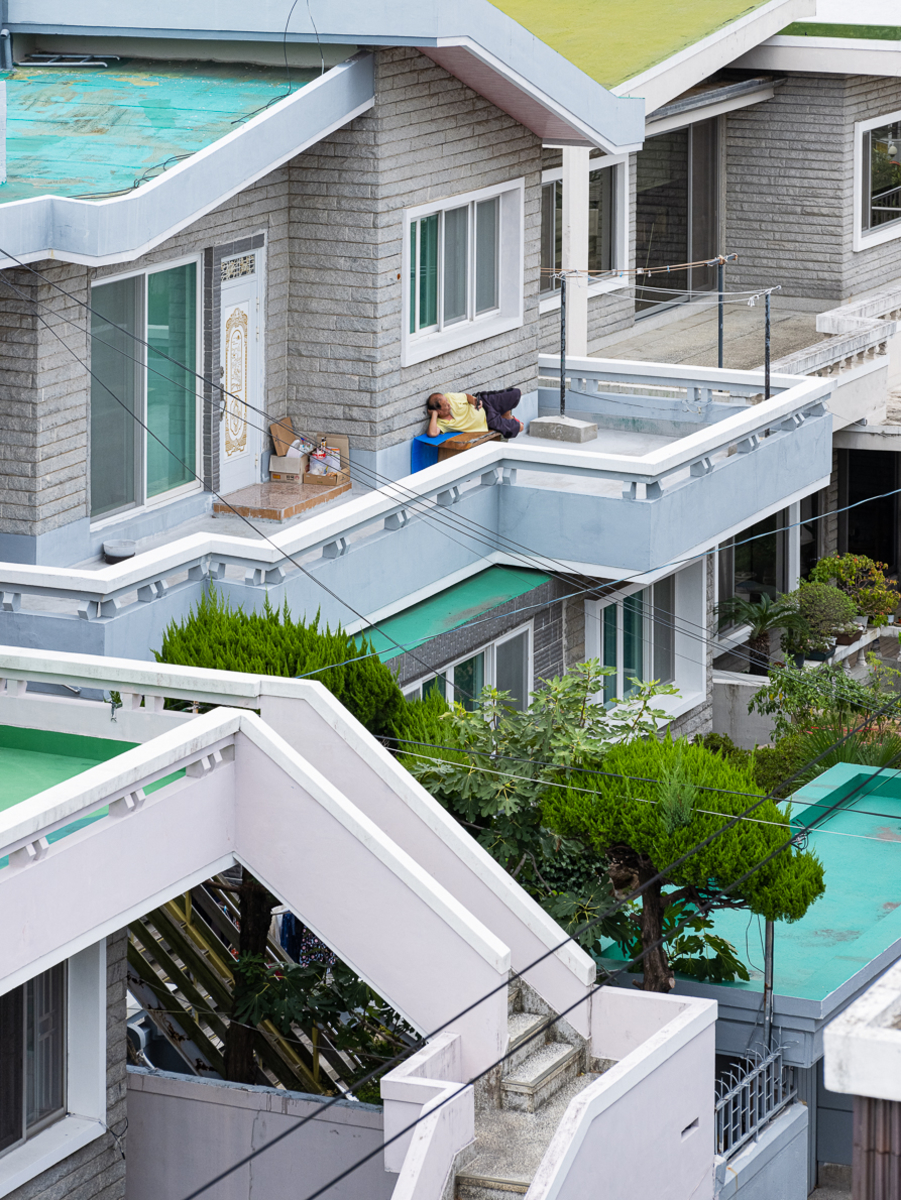
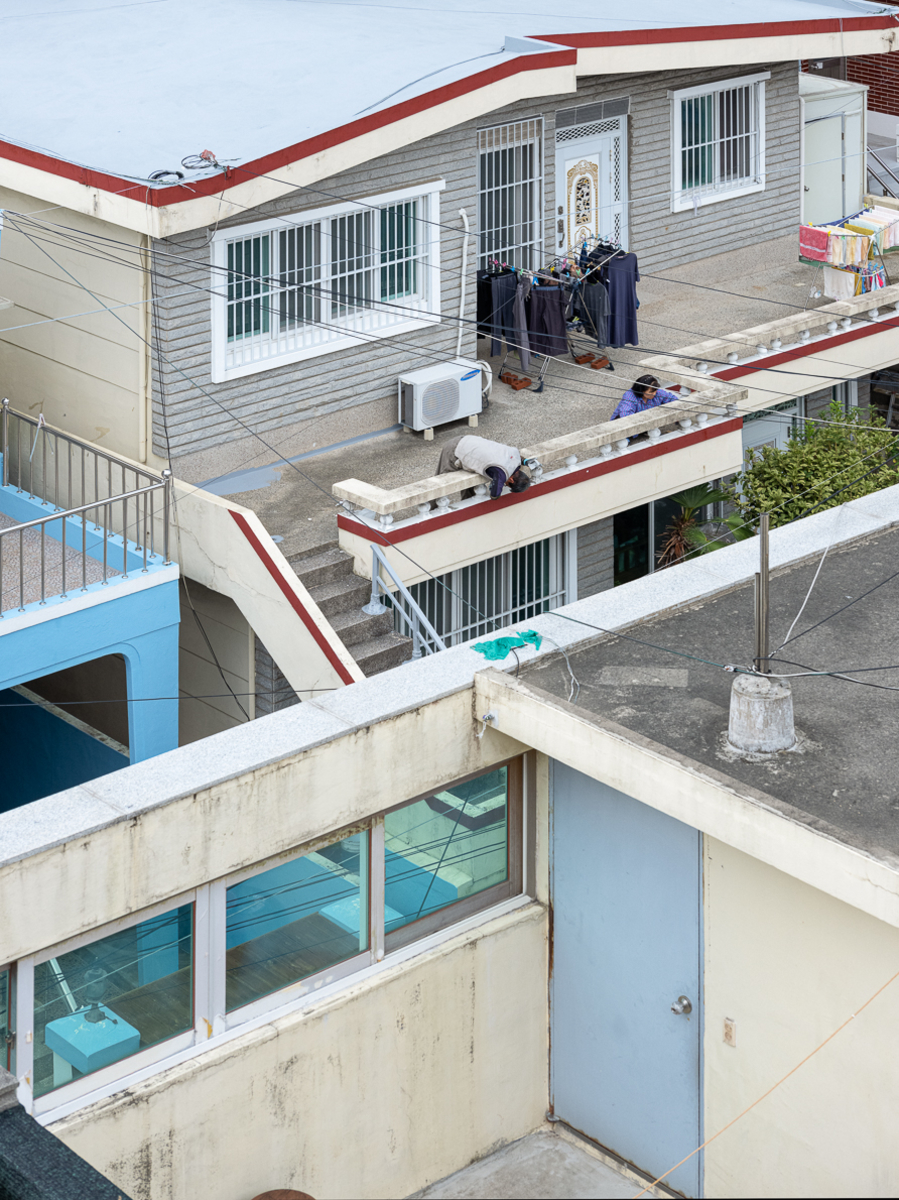
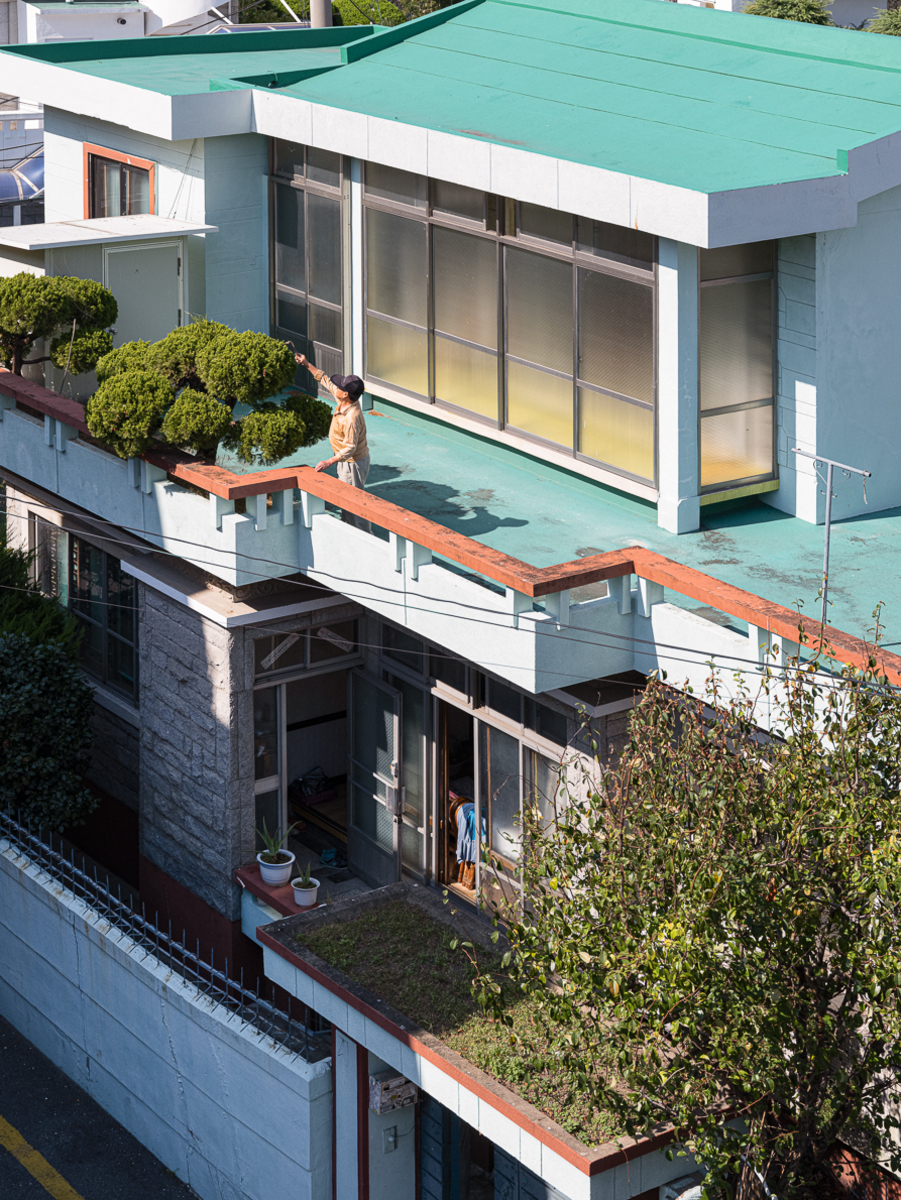
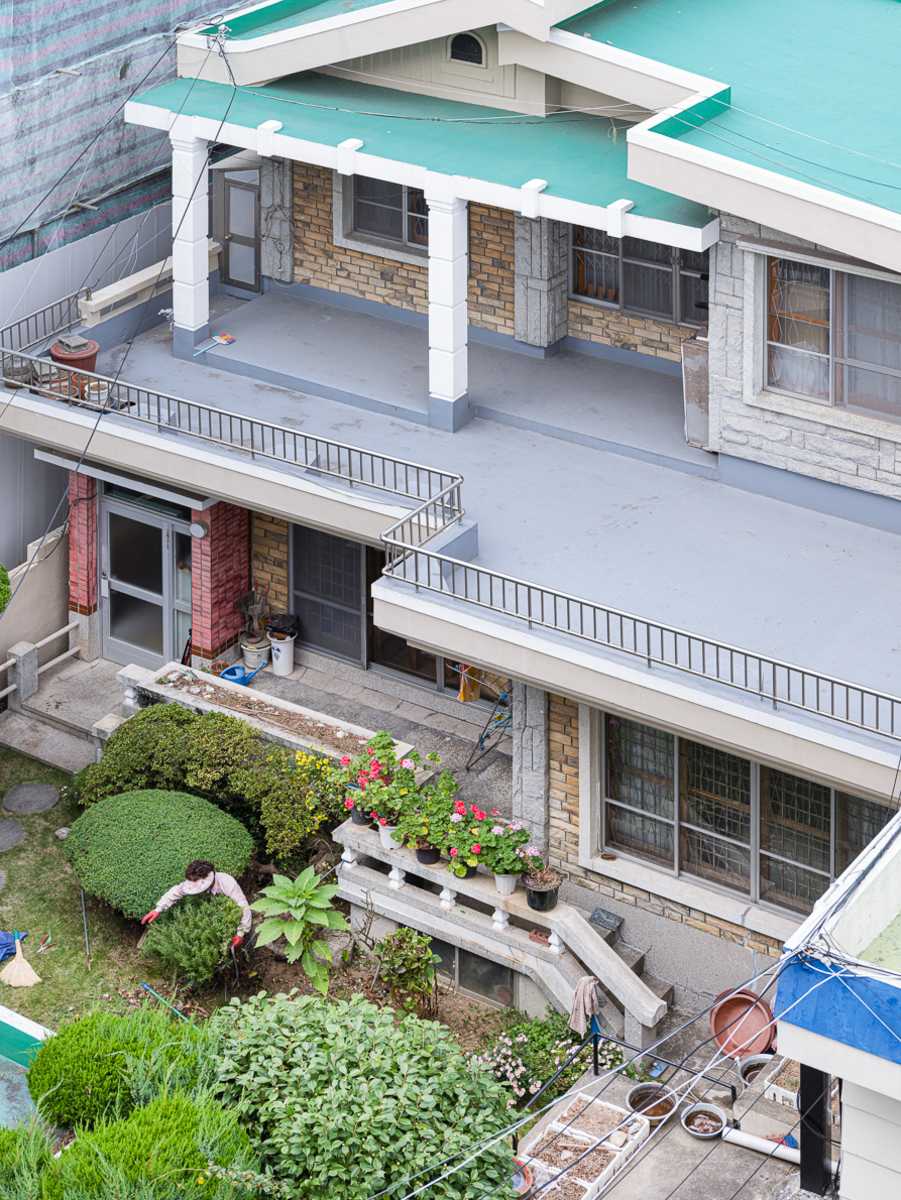
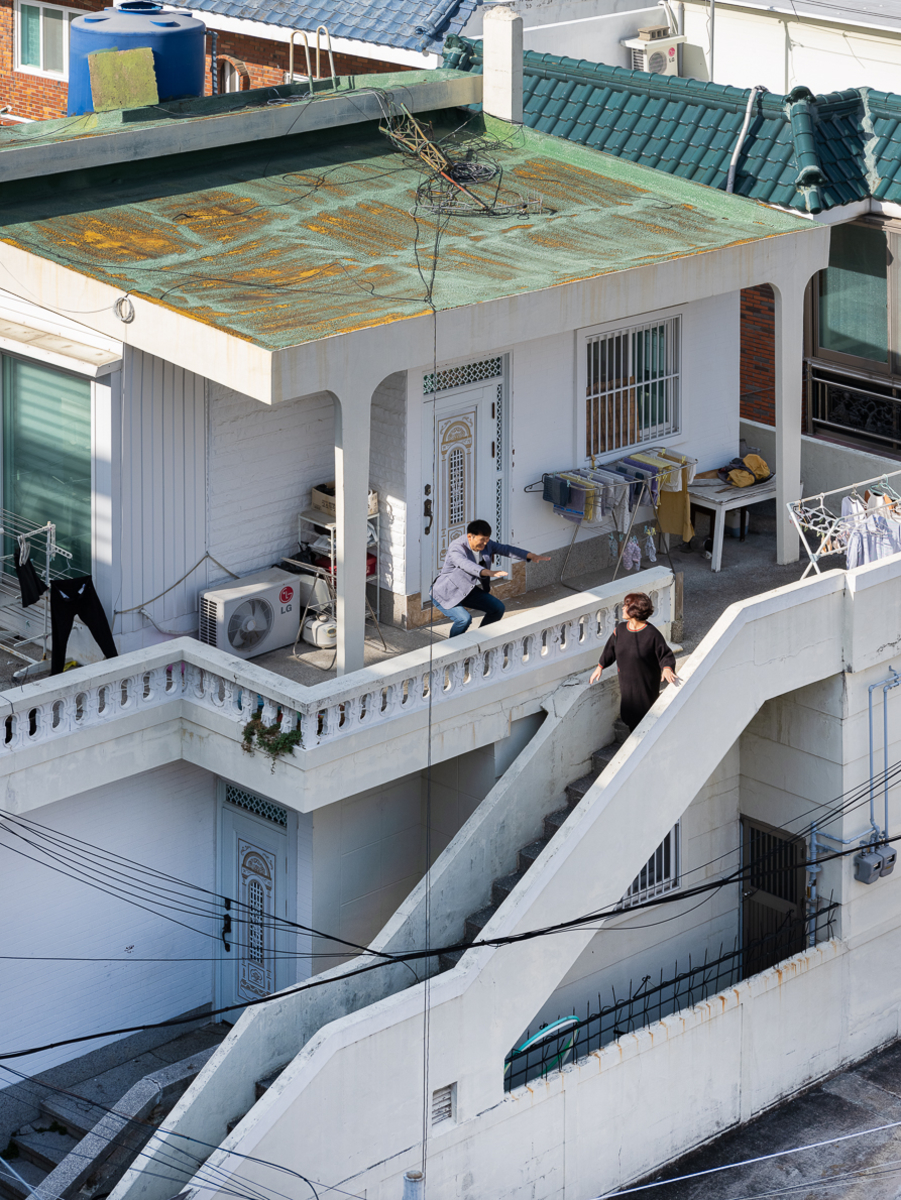
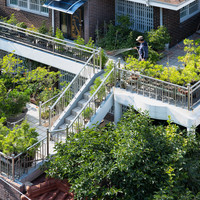
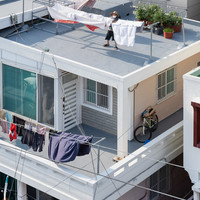
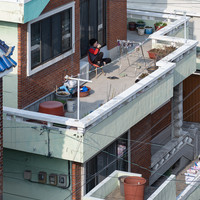
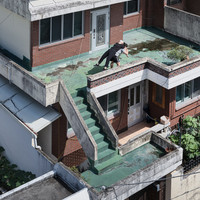
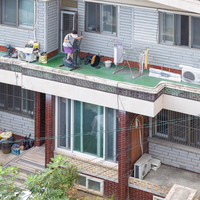
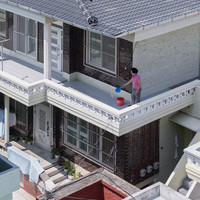
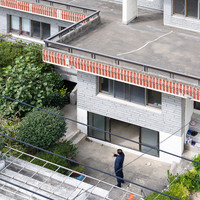
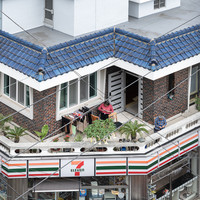
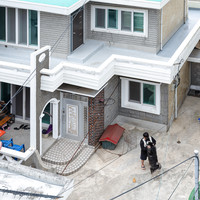
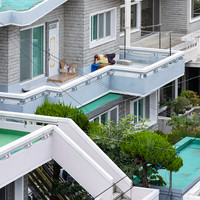
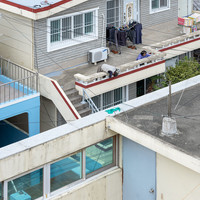
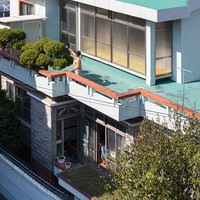
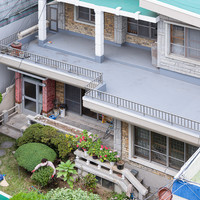
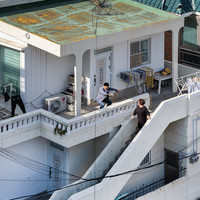
This work begins as an attempt to document the texture of lives that persist within the gradually disappearing “two-story Western-style houses” in Korea’s urban landscape. In a time when large-scale apartment complexes have become the dominant standard of living, the idea of a home has shifted beyond a mere place to live—it now functions as an asset, an investment, and a marker of social status. Within this context, these houses are often dismissed as outdated and inefficient, pushed to the margins of the city.
However, this photographic series turns away from such perspectives and instead focuses on the everyday lives of those who continue to inhabit these spaces. The worn staircases, low ceilings, weathered window frames, and traces left in small yards are not simply signs of decline, but elements that reveal an accumulation of time and the density of human relationships. Life here is built not on efficiency or speed, but on repetition, continuity, and memory.
Through this work, I seek to question how the concept of “home” has been transformed. In a reality where housing is increasingly reduced to economic value, these houses paradoxically evoke what we have lost. The rhythms of life that endure despite inconvenience, and the people who age alongside their homes, suggest an alternative possibility for dwelling.
Ultimately, this series is both a record of a fading architectural form and an inquiry into what it means to live in contemporary Korean society. These houses are not relics of the past, but spaces that continue to hold living, evolving stories—places where we may rediscover the essential meaning of life that we have long overlooked.