
Series - FotoSlovo 2026 - Category « Conceptual photography »
Honorable Mention
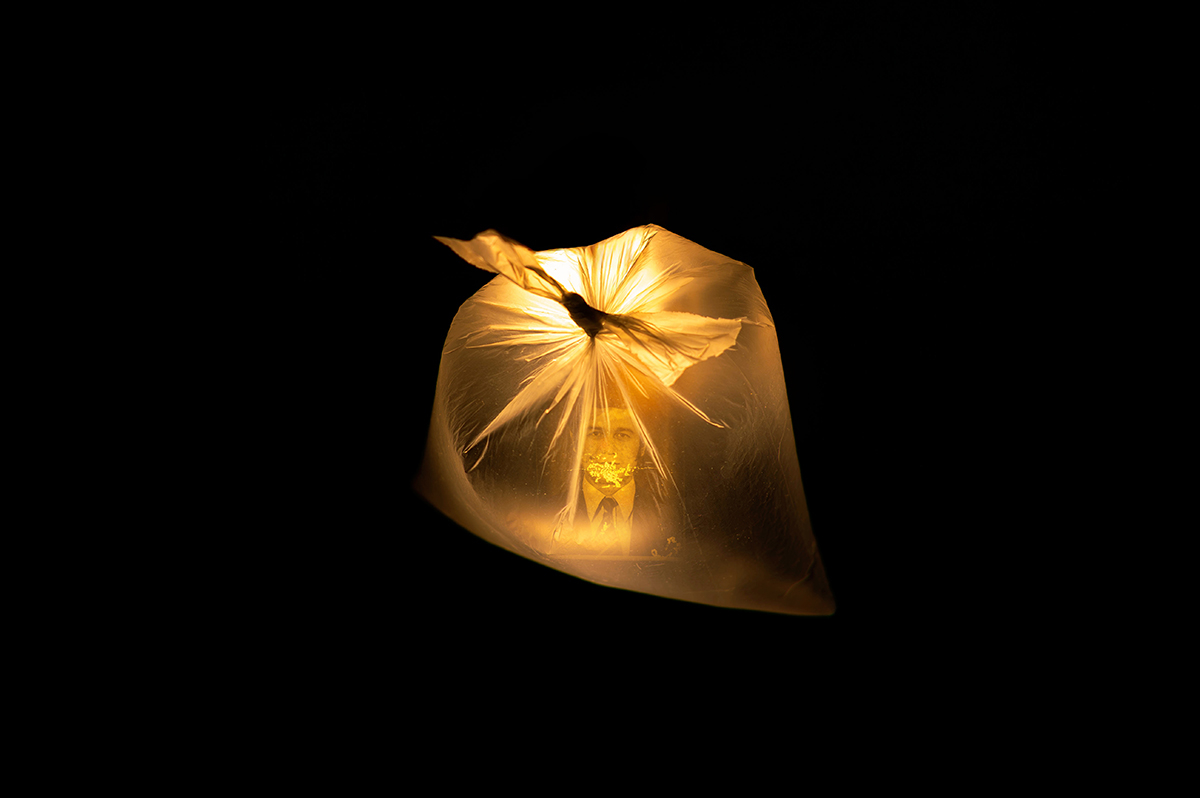
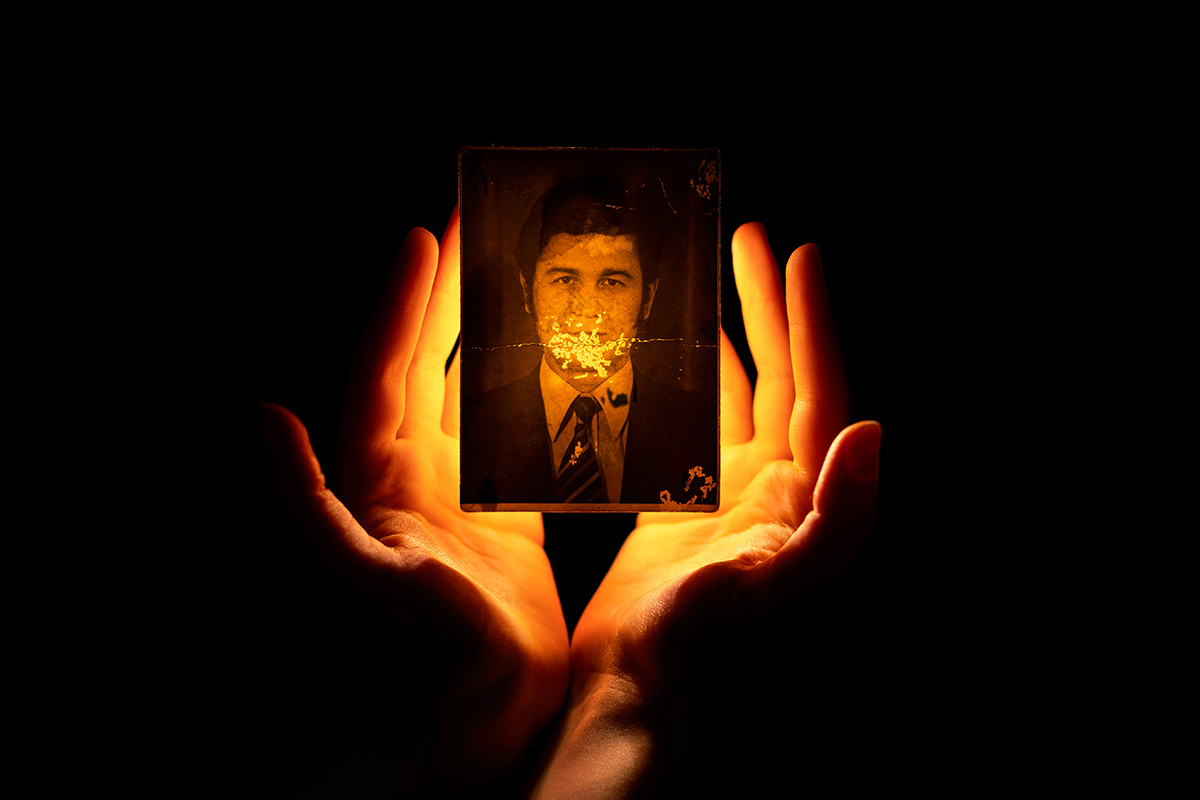

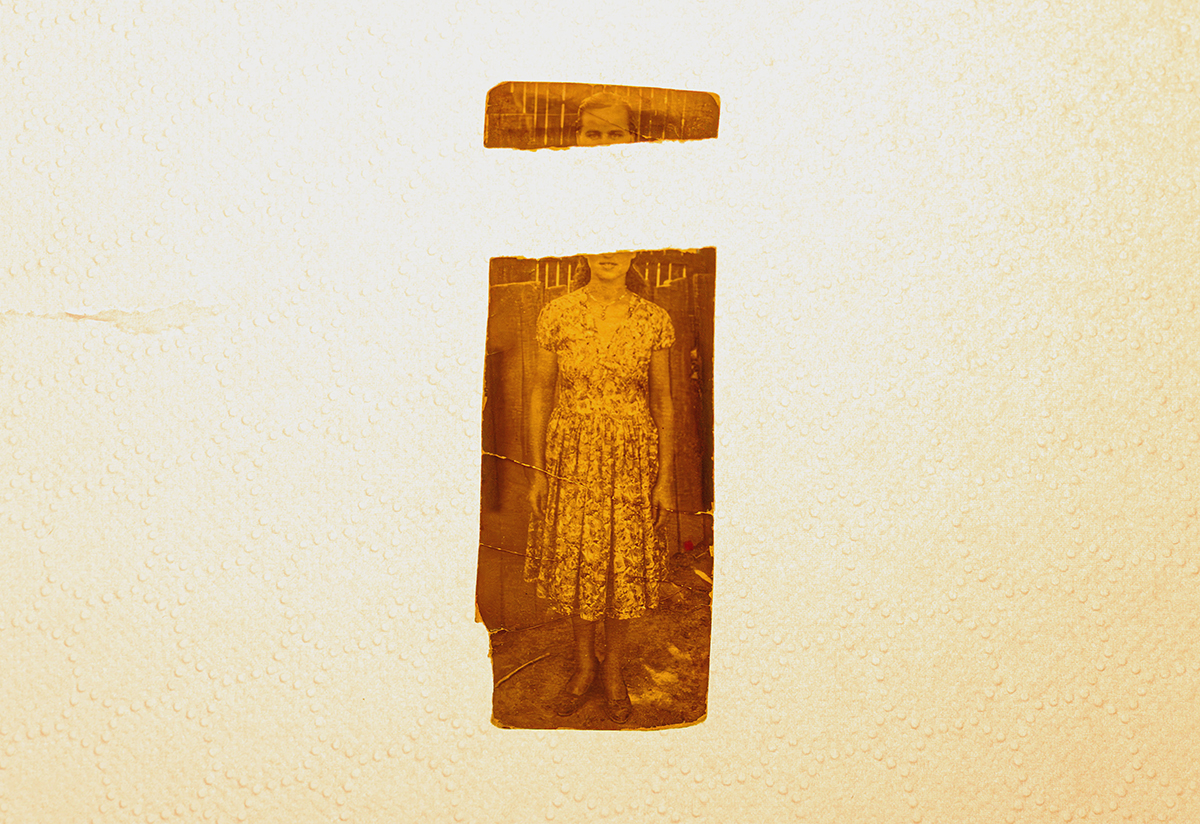
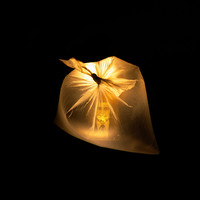
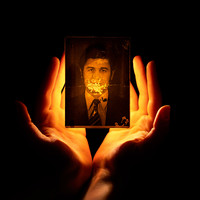
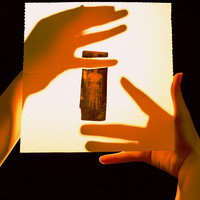
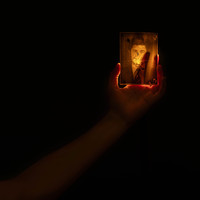

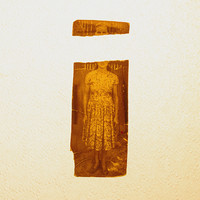
This series began with a small accident: my grandmother damaged a photograph of my grandfather, an image she had kept for years on her bedside table. It was not just an object that broke, but something more fragile: the illusion of permanence.
In my family, grandparents are not distant figures; they are formative presences. They raised us, shaped our gestures, our language, our understanding of care. Their images, therefore, are not neutral records. They are vessels of continuity, anchors of identity. When these images deteriorate, something within that continuity begins to tremble.
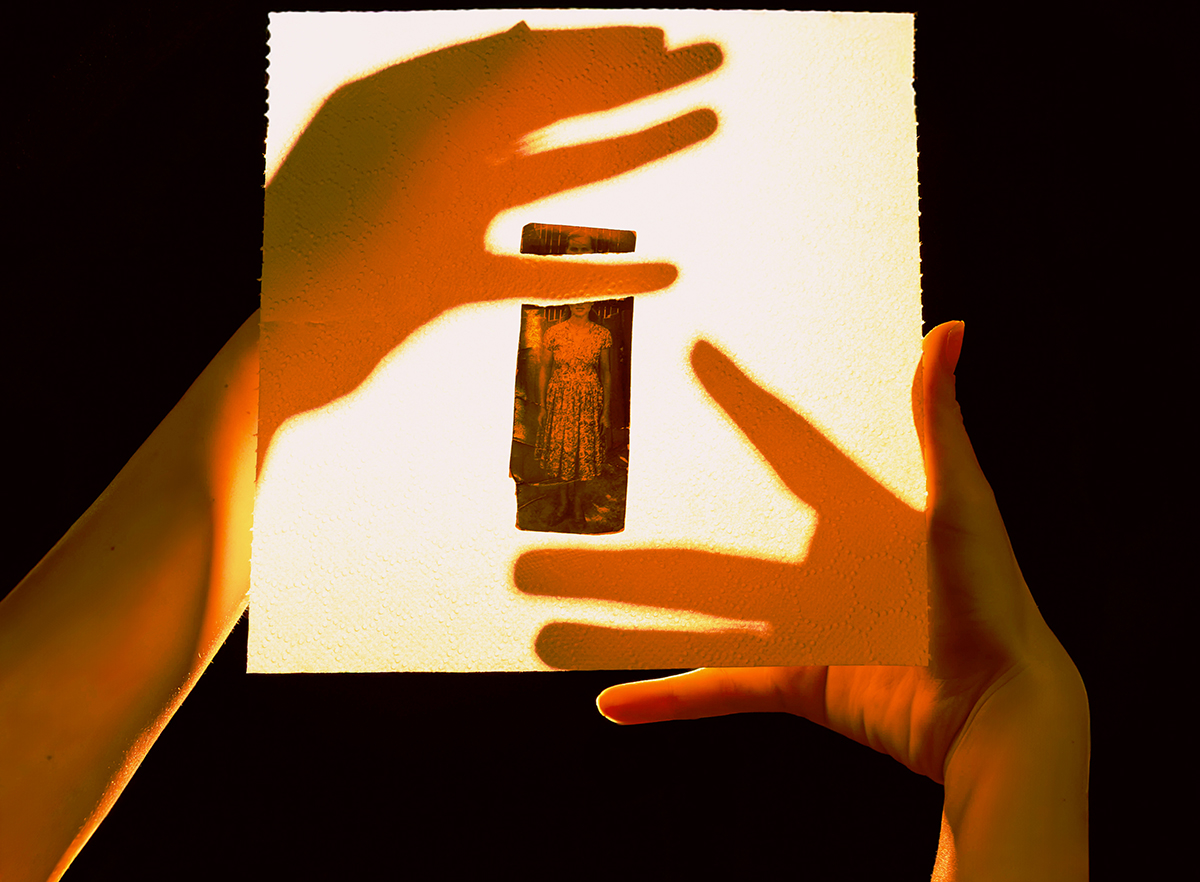
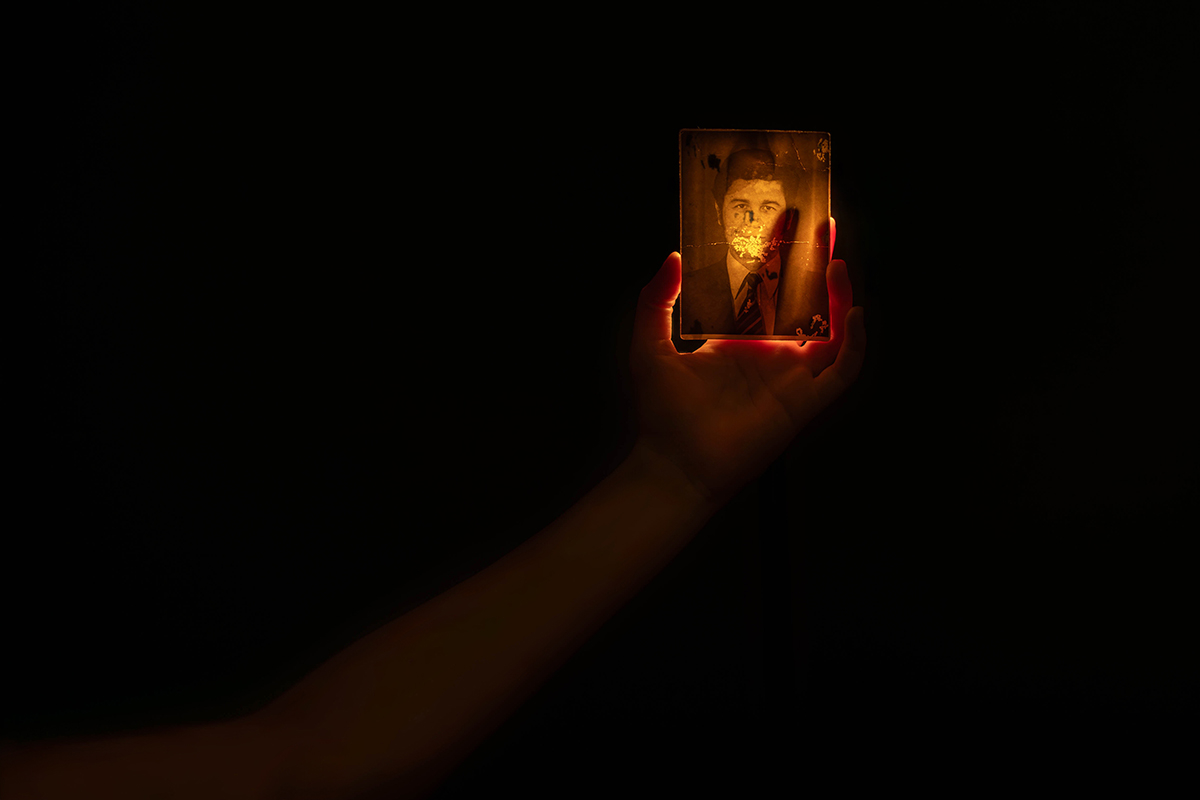
Phantomographies explores what happens when the photographic image, so often trusted as a guarantor of memory, fails. The work engages with damaged, singular photographs: a grandfather whose portrait is scarred by time and accident; a young woman, my grandmother’s sister, who died suddenly and whose existence now survives only in a torn, fragile print. These are not archives: they are remnants.
Through processes of isolation, illumination, and containment, the photographs are re-presented as unstable relics. They are held, enclosed, partially obscured, or backlit, as if they required protection or interrogation. The act of “conserving” becomes ambiguous: to preserve is also to transform, to intervene, to reinterpret.
After death, a person does not simply disappear; they become narrative. Memory edits, repeats, softens, and invents. The individual dissolves into a composite of stories, gestures, and fragments into something closer to fiction than fact. The photograph, once perceived as evidence, becomes a stage on which this fiction is projected.
In this sense, these images are not documents, but apparitions. They hover between presence and absence, between material object and imagined being. They are ghosts not because they depict the dead, but because they reveal how the dead continue to be re-authored within the living.
Phantomographies is not about restoring what was lost. It is about acknowledging that loss is already embedded in every image and that every attempt at preservation is also an act of transformation.