
Series - FotoSlovo 2026 - Category « Documentary / Reportage »
Honorable Mention
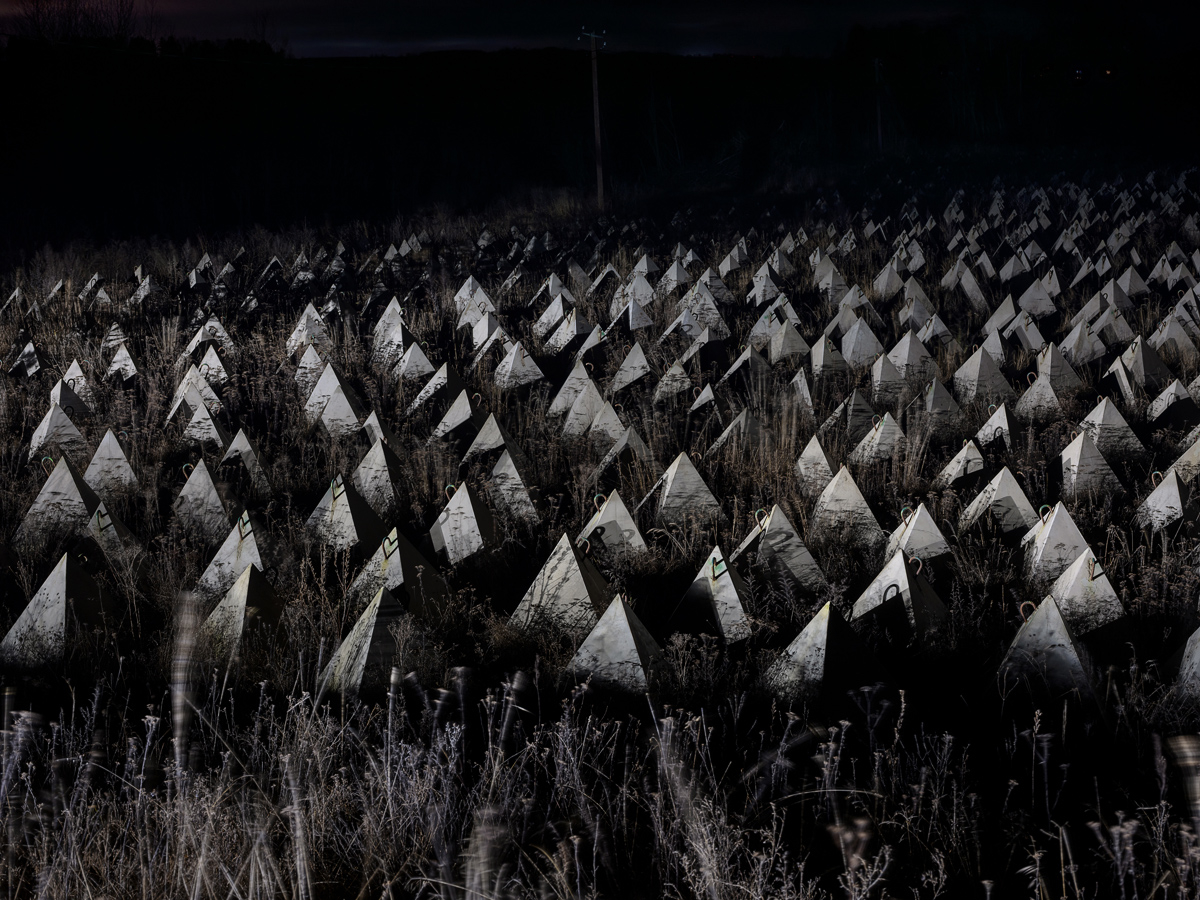
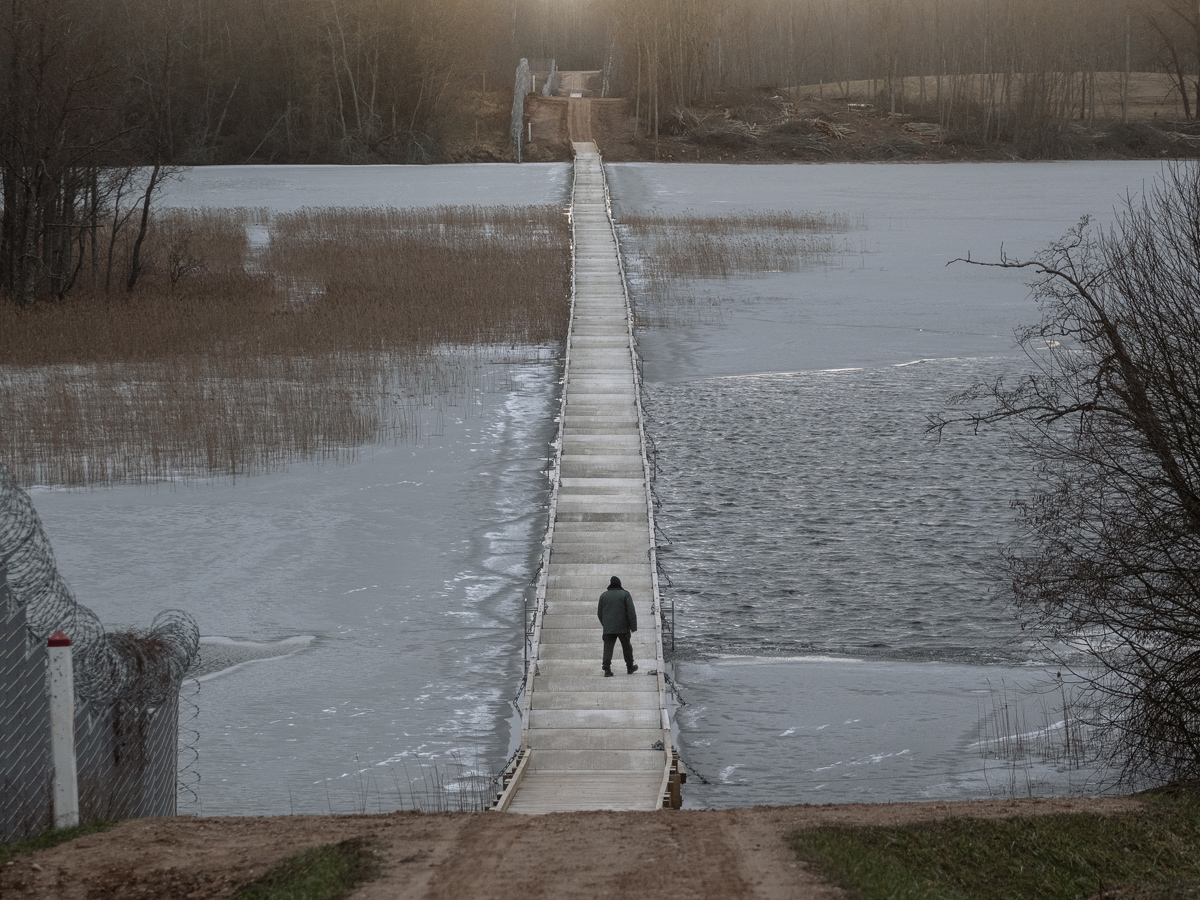
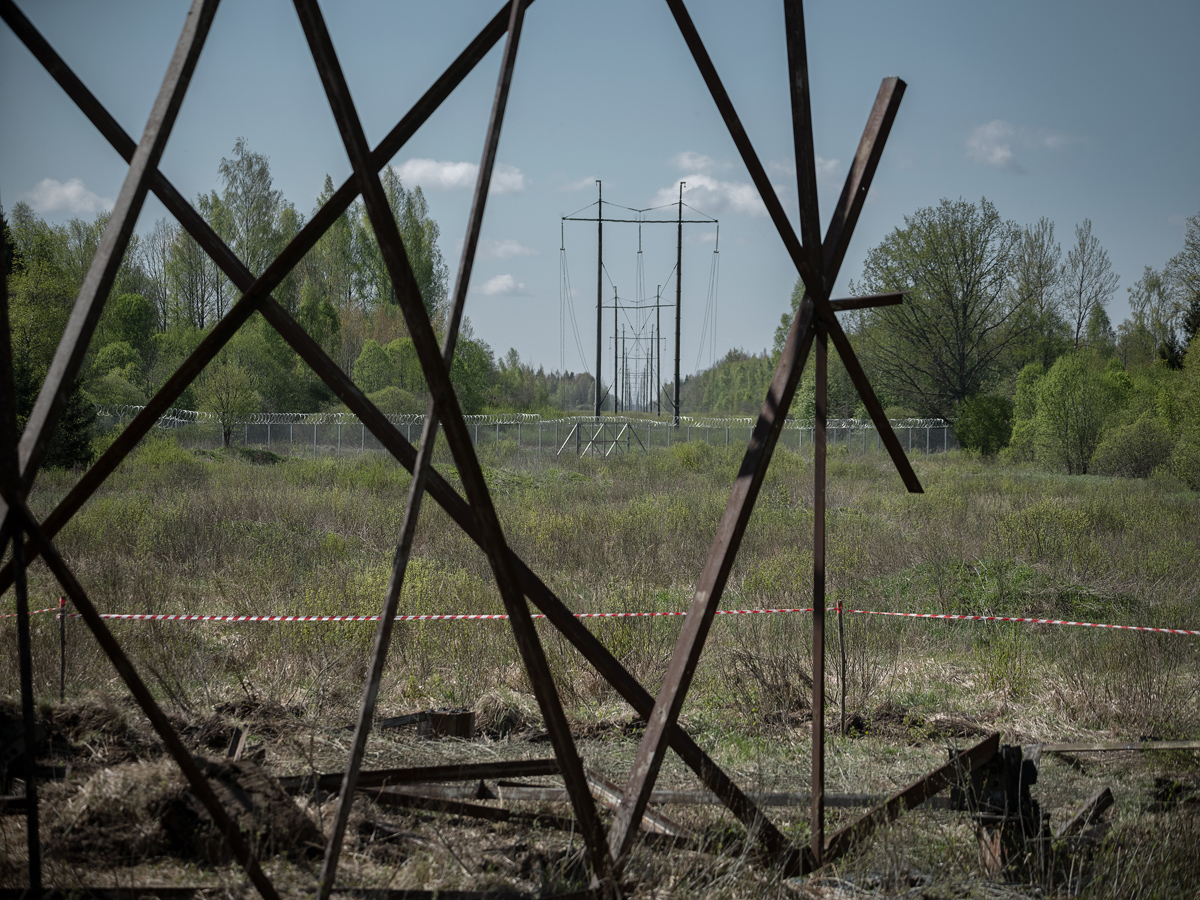
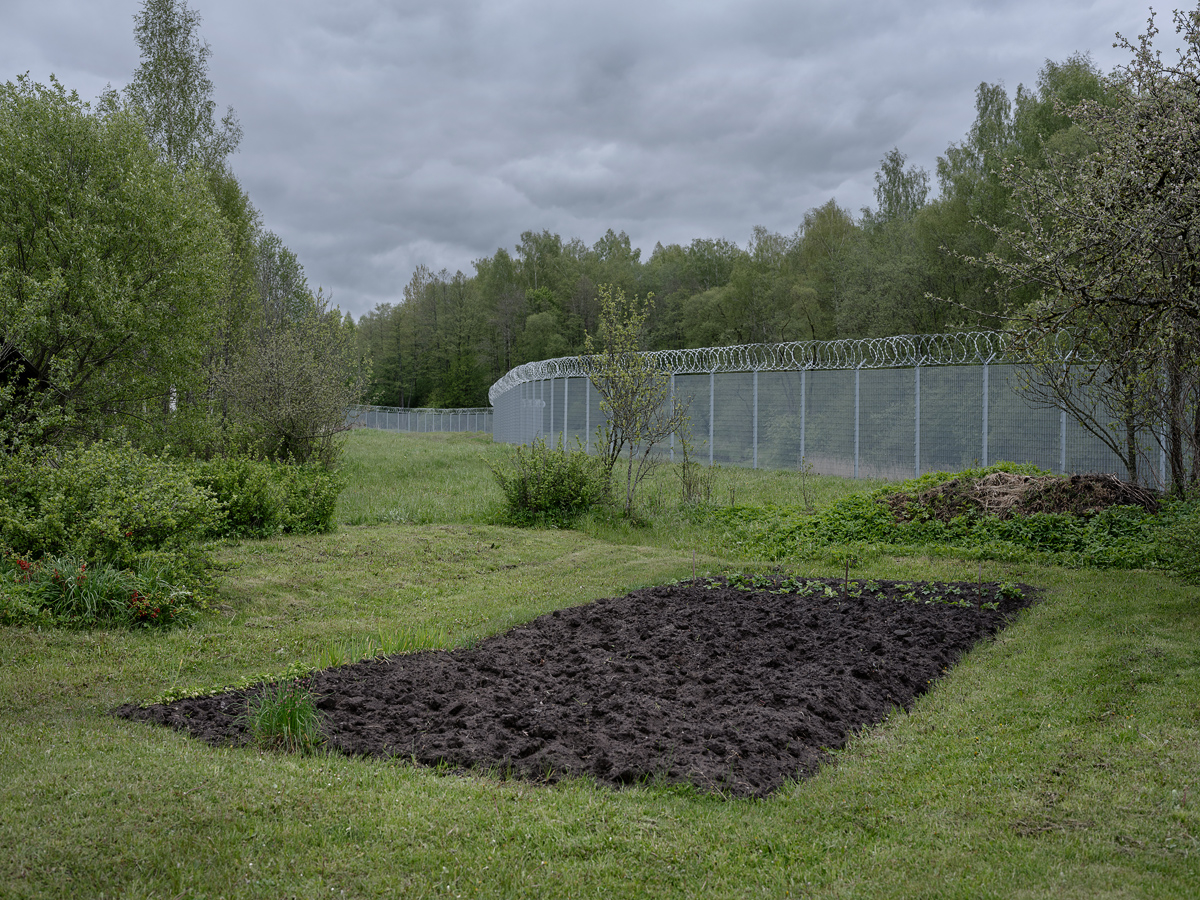
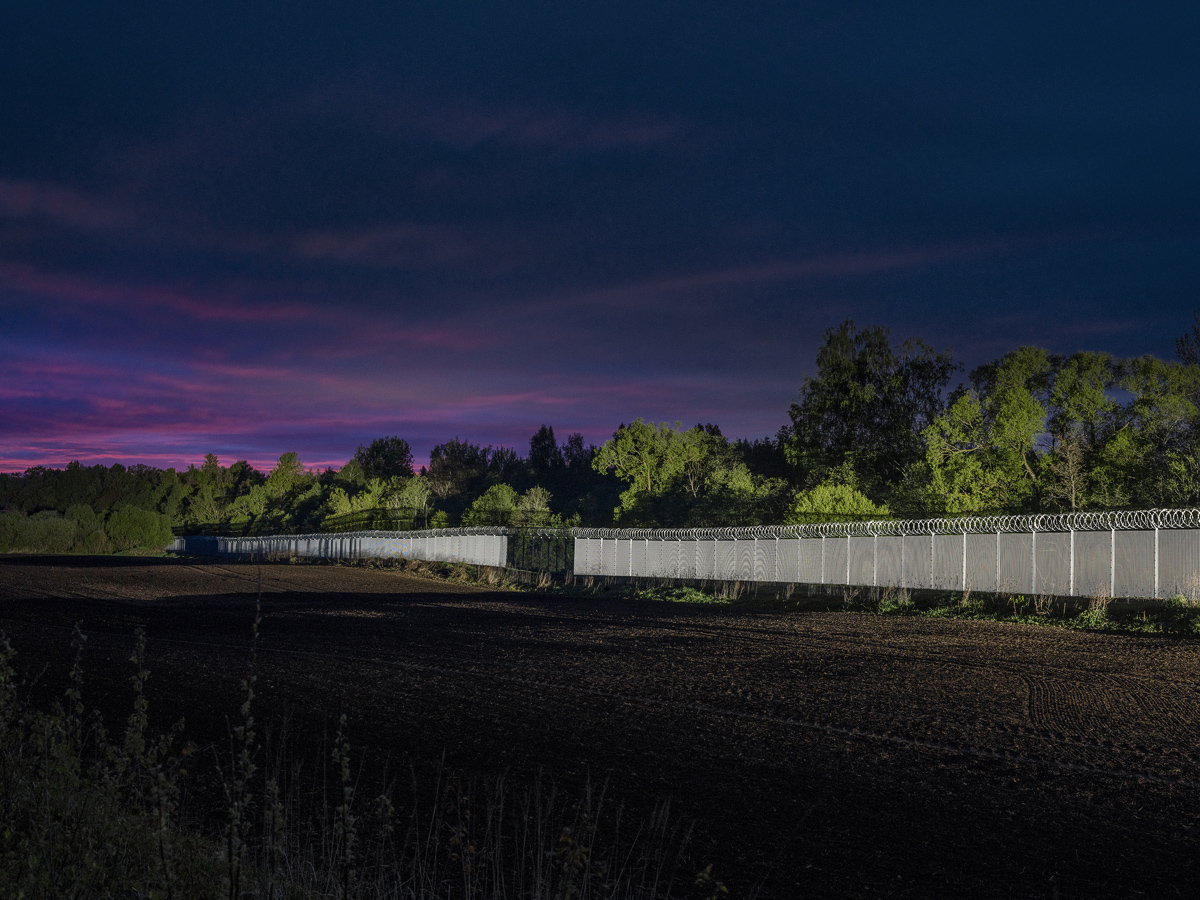
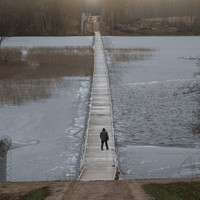
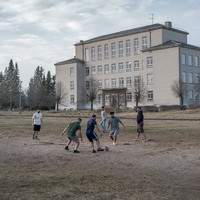
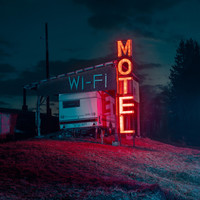
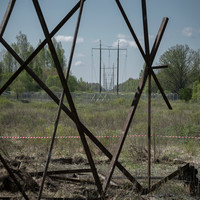
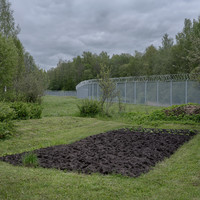
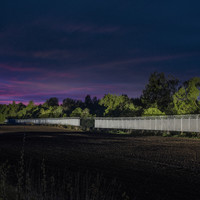
I grew up in the countryside of Latvia, not far from the borders with Russia and Belarus, and spent my early childhood in the final years of the Soviet Union. Since Latvia regained independence in 1991, the border with Russia has been marked only by boundary posts rather than barriers. The war in Ukraine and the growing confrontation between Russia and the West have brought renewed attention to Latvia’s eastern frontier. Historically caught between Western and Eastern Europe and now situated on NATO’s outer edge, Baltic states is often imagined as a frontier between two worlds. Across much of Europe, borders are barely noticed. Here, however, in the past two years, the frontier has been fortified with fences, watchtowers, and patrols, making the abstract line tangible.
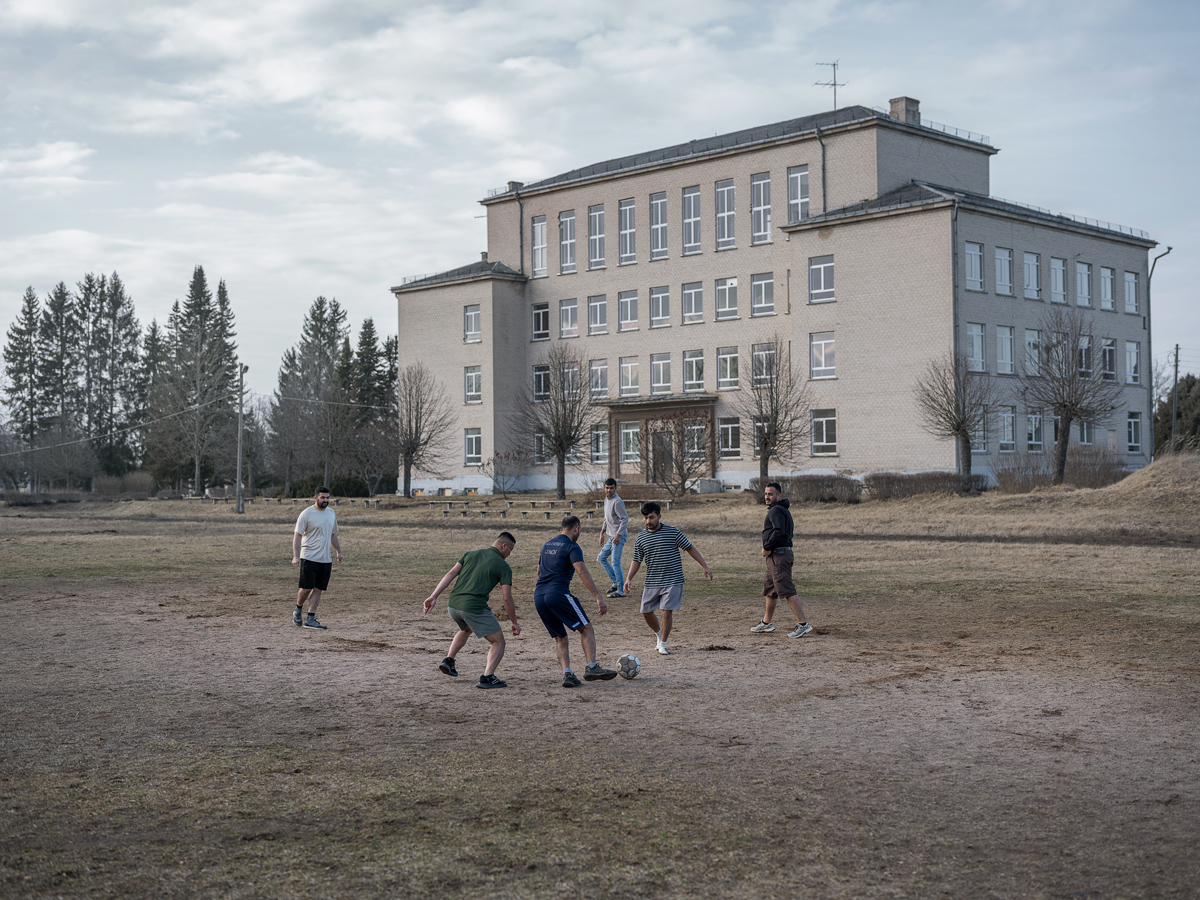
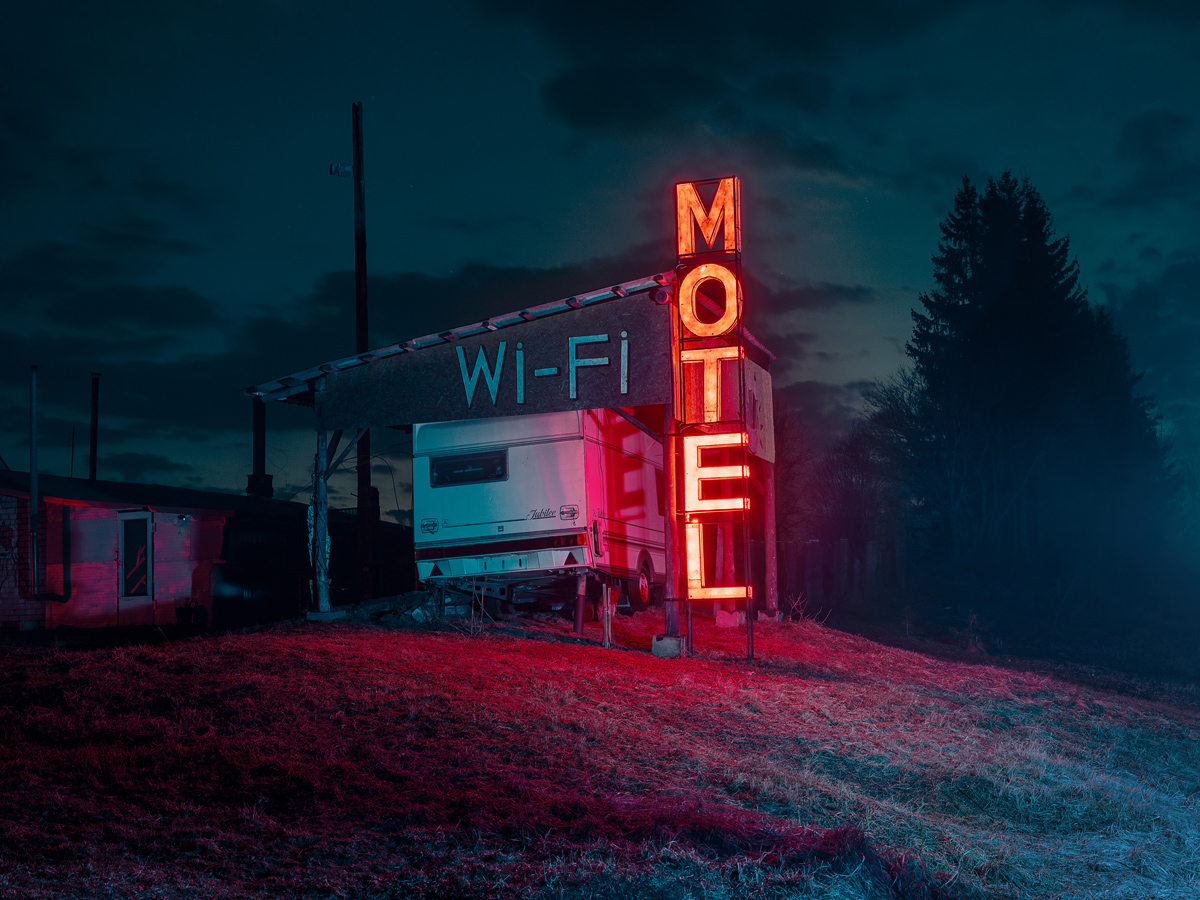
The project began with a simple question: What does it mean to live in the borderland in this geopolitical moment? Understandably, in this climate, the fence has become a necessity. Yet it also interrupts the ancient routes of migrating animals and reshapes both the ecological balance and the cultural landscape. In some villages near the border, residents have had to demolish some outbuildings or wells that lay too close to the fence. The borderland is not a uniform territory, nor can it be described as a single whole. It is layered — on one level, a visible landscape of defence infrastructure; on another, an invisible terrain of memories and stories that slip across boundaries. This project explores the border not only as a dividing line, but as a lived condition. I approach the border not as a fixed line, but as something lived - shaping how people relate to place, to memory, and to each other. In the borderland, infrastructure, personal histories, and everyday routines intersect: a garden ends at a fence, a house becomes unreachable, and movement is both restricted and redefined.