Series - FotoSlovo 2026 - Category « Documentary / Reportage »
Silver Medal
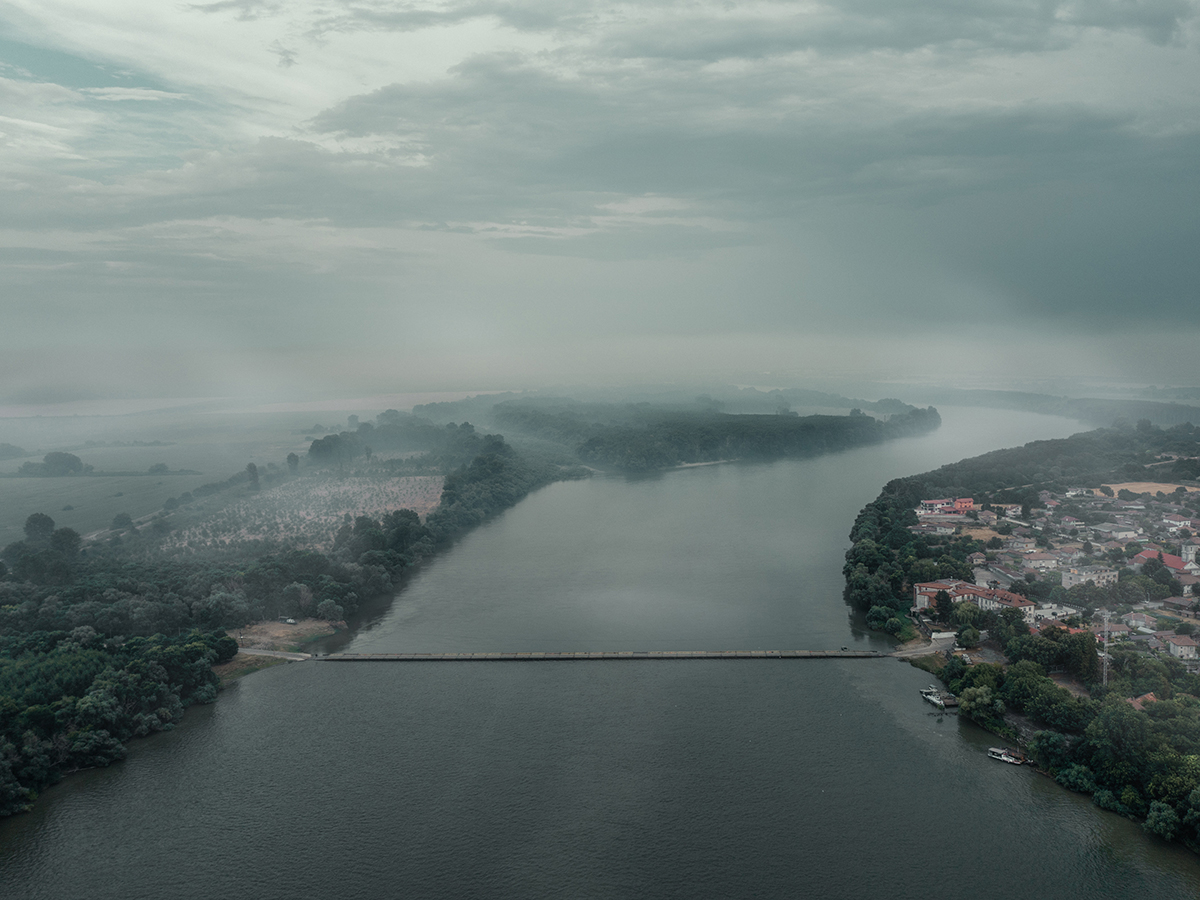
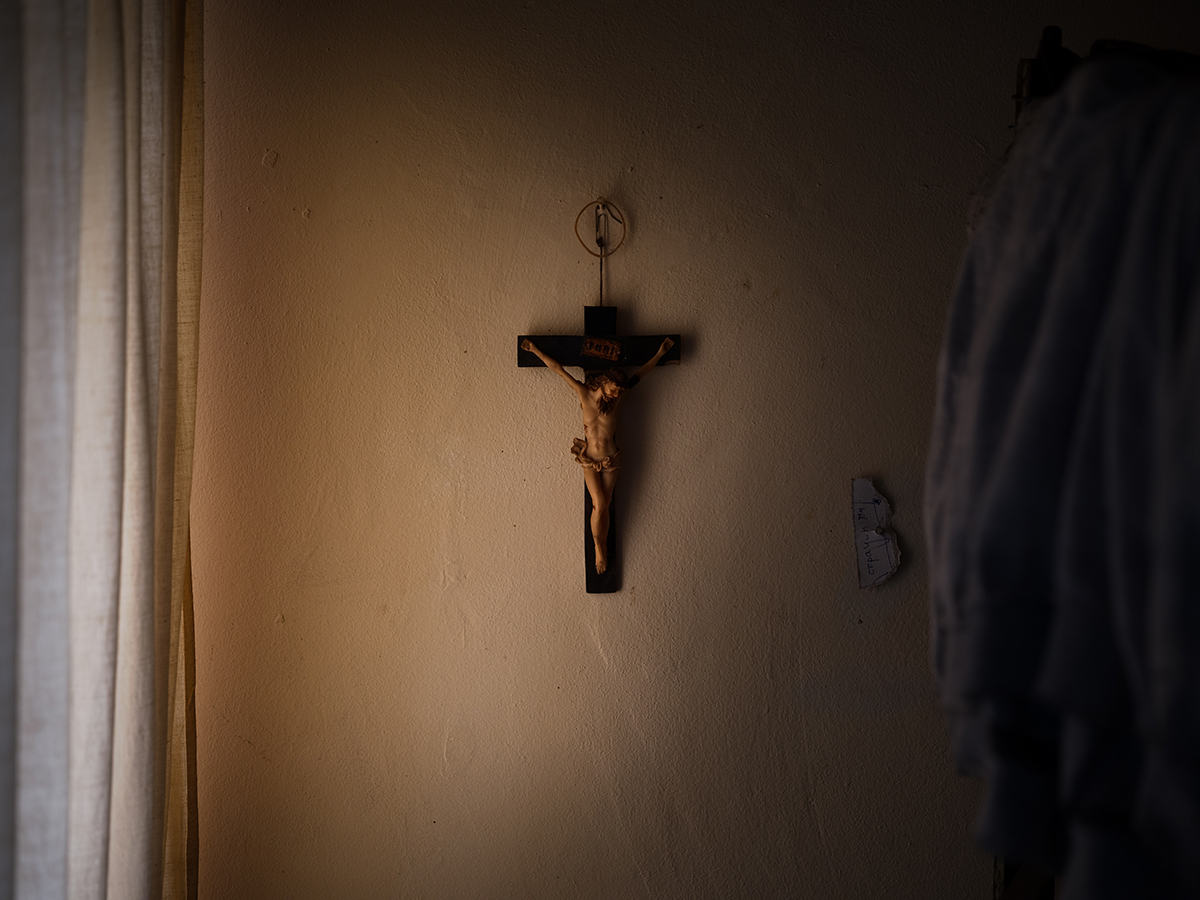
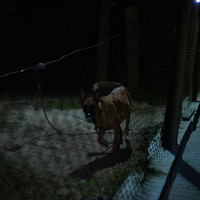
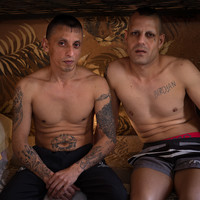
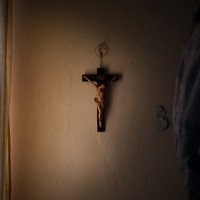
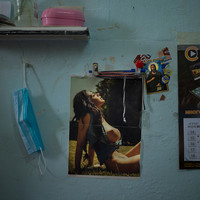
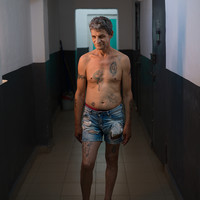
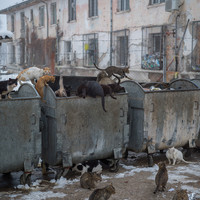
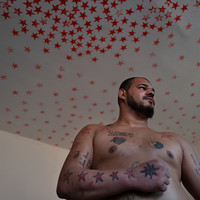
This project is based on the phenomenon of religious and cultural syncretism, which is the interpenetration and mutual influence of the Orthodox tradition and deeply rooted folk beliefs. These beliefs date back to the Thracian and Greek cultural layers. Bulgaria is a particularly suitable area for studying these processes as it bears traces of centuries of overlapping meanings and practices. Here, the sacred takes forms that challenge institutional religious discourse. Sites of revelation coexist with places of hidden worship, and spiritual energy gathers where few would expect: in hot springs, by the roadside and in the homes of clairvoyants. Through careful framing, lighting, and visual contextualisation, Koźmiński’s works reveal their theological and anthropological dimensions.
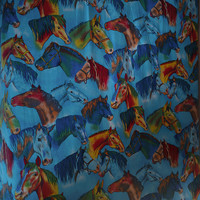
The objects captured in the photographs — demonic masks, garments made from animal skins and furs, and eclectic headdresses — are not merely aesthetic elements or ethnographic exhibits. Rather, they serve as tangible vessels of meaning, encoding the entire cosmology of a given community. Koźmiński records every detail with reverence, stemming not only from aesthetic sensitivity, but also from the awareness that these objects bear the marks of collective memory – they are artefacts in which human and animal traits intertwine to create a hybrid identity capable of mediating between worlds. It is precisely this depth of contextual understanding that ensures the photographs are an act of respect towards the depicted traditions, rather than a form of visual exploitation.
According to the author, Bulgaria is an enigmatic country where the boundaries between worlds are fluid, and transitions between traditions are natural. Here, every object, practice and gesture is part of an open spiritual architecture, ready for dialogue and interpenetration, and constantly renegotiating meanings. It is precisely this openness and refusal to accept unambiguity that constitute the strength of this project. Rather than offering us ready-made answers, Koźmiński invites us on a journey to the sources of time and the courage of creative imagination.