
Series - FotoSlovo 2026 - Category « Environmental and Climate issues »
Silver Medal
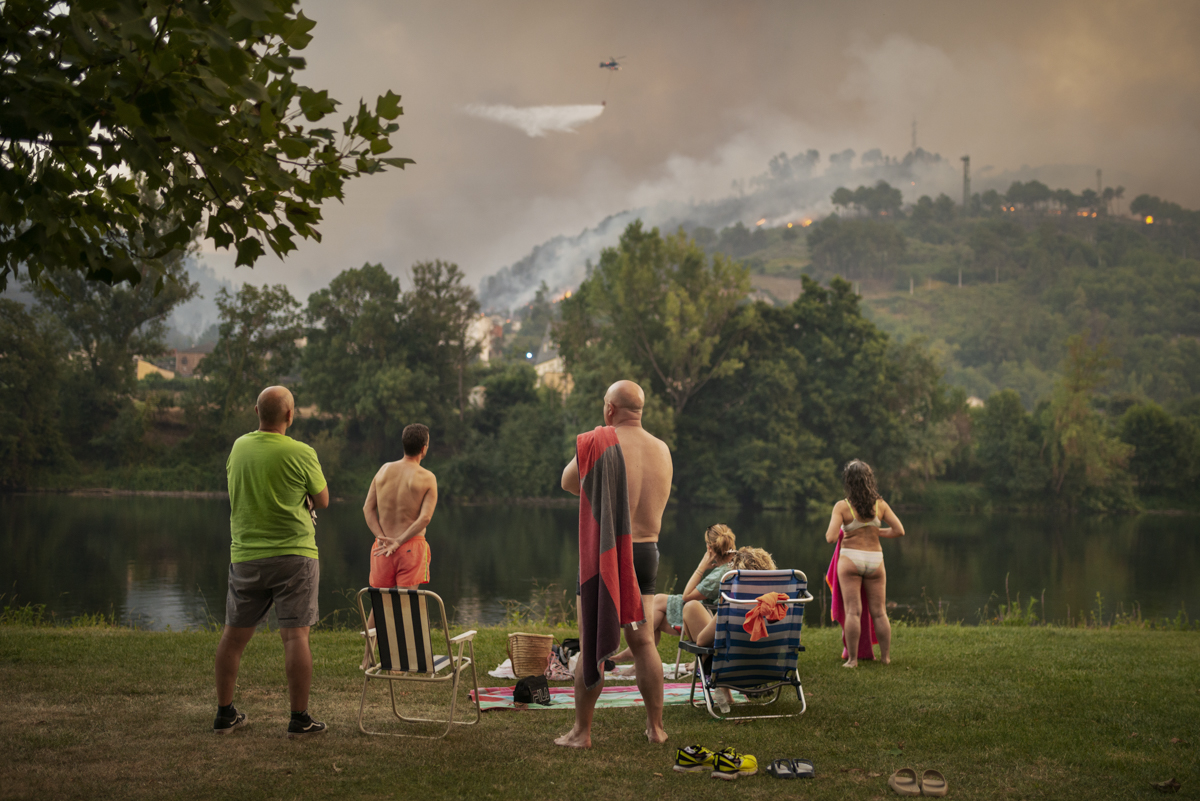
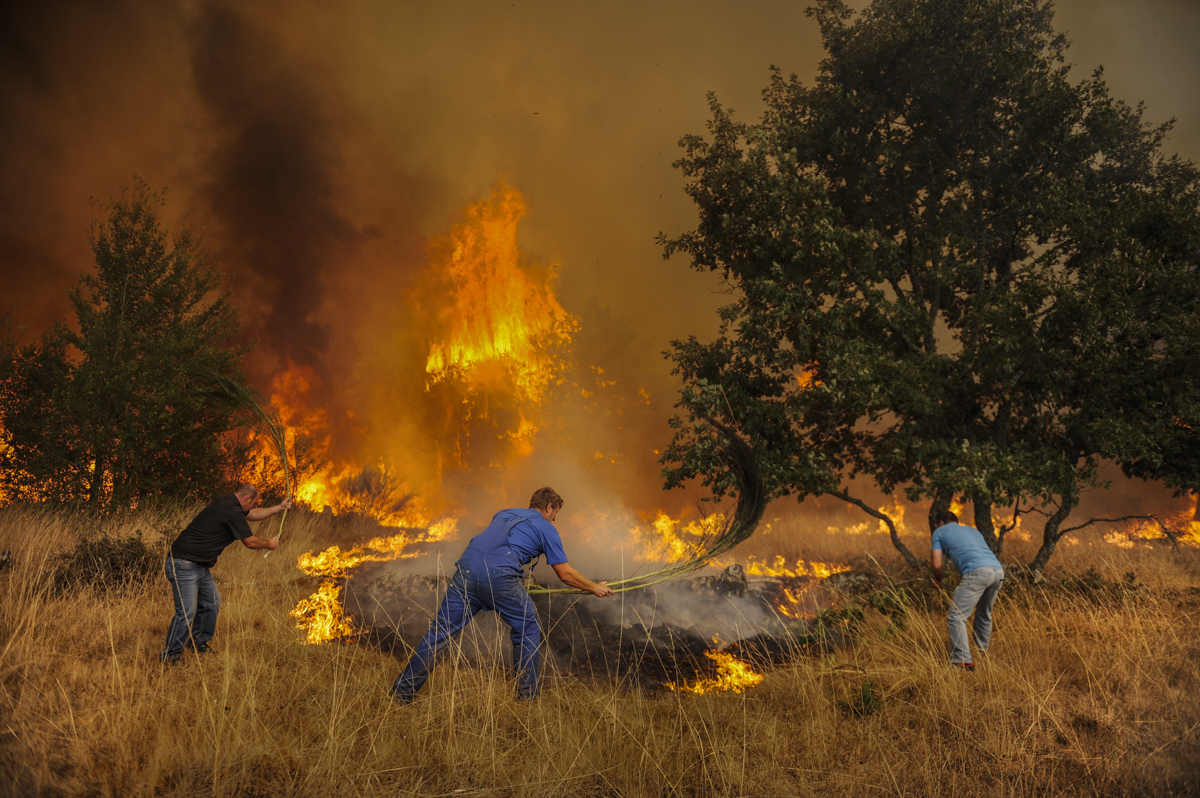
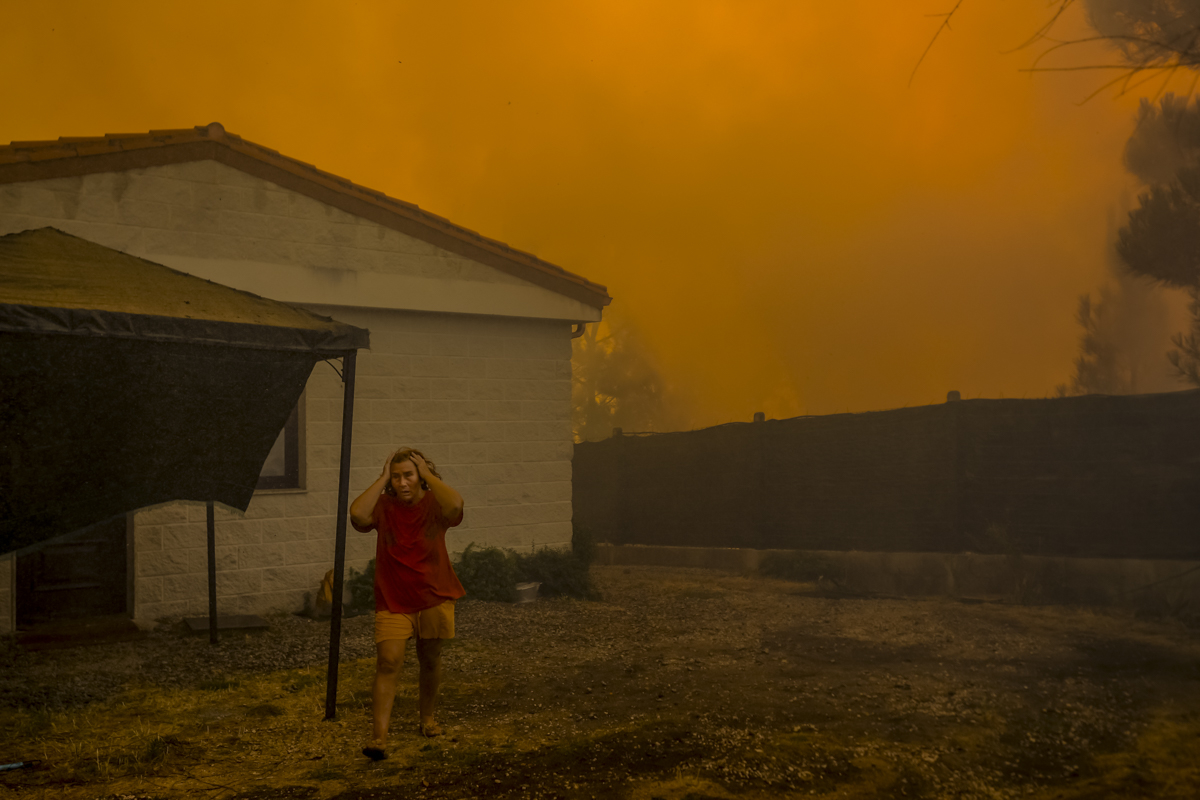
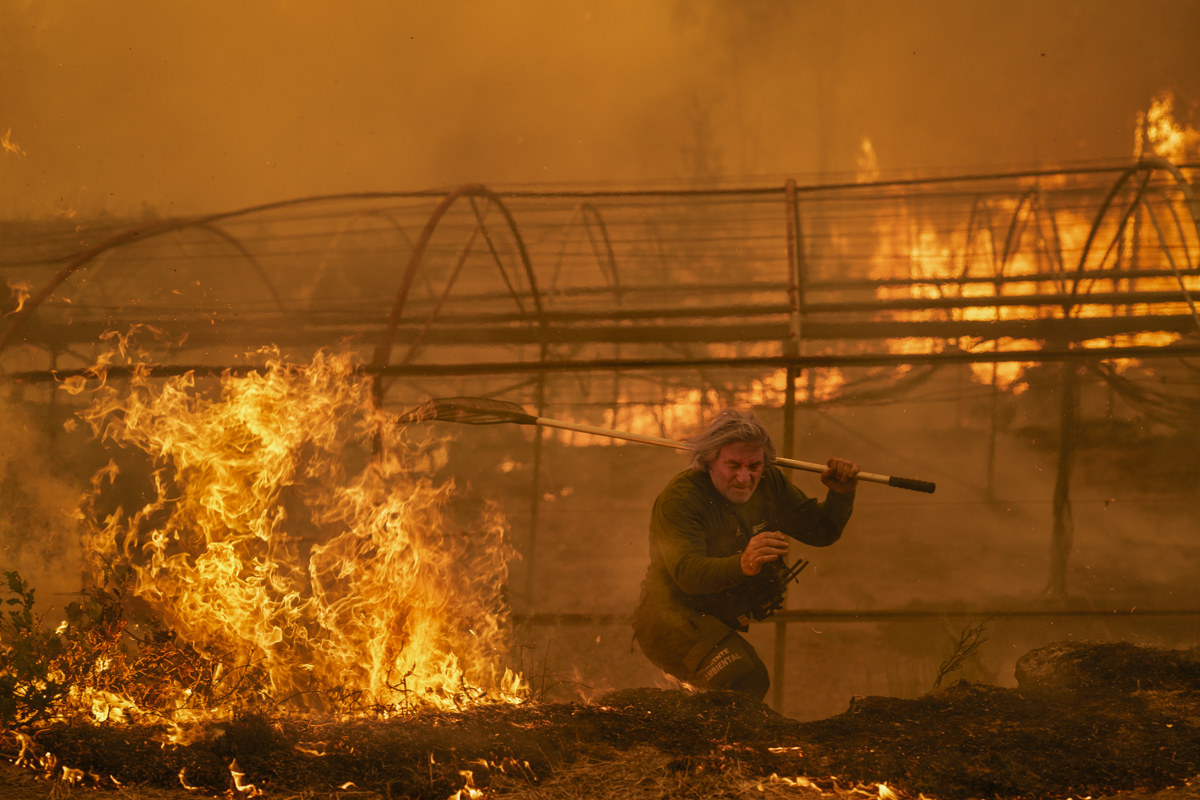
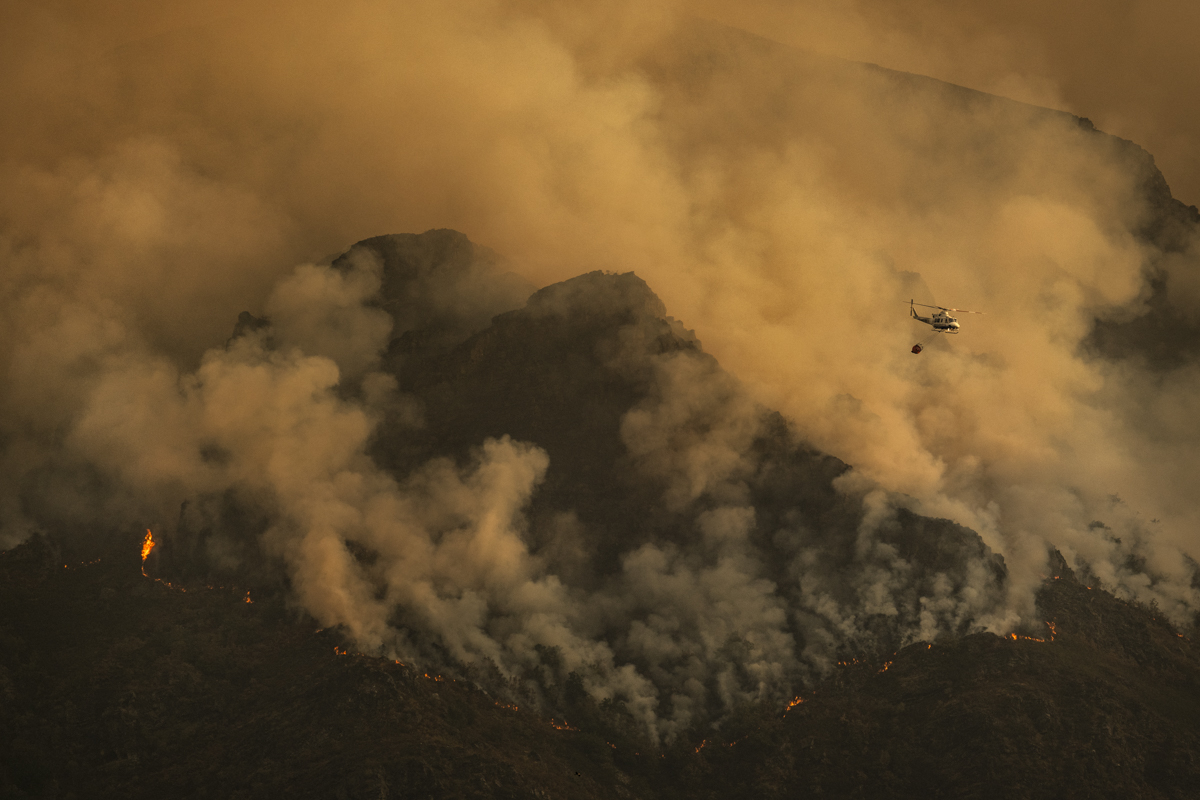
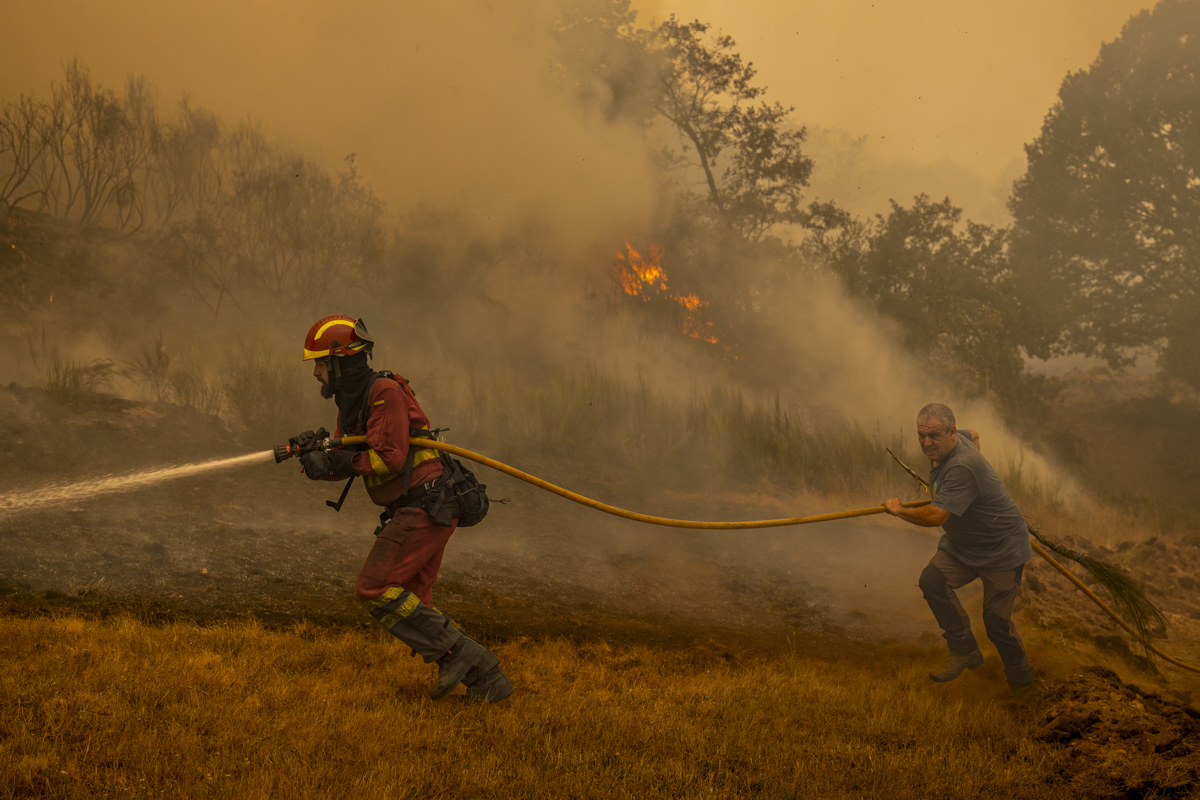
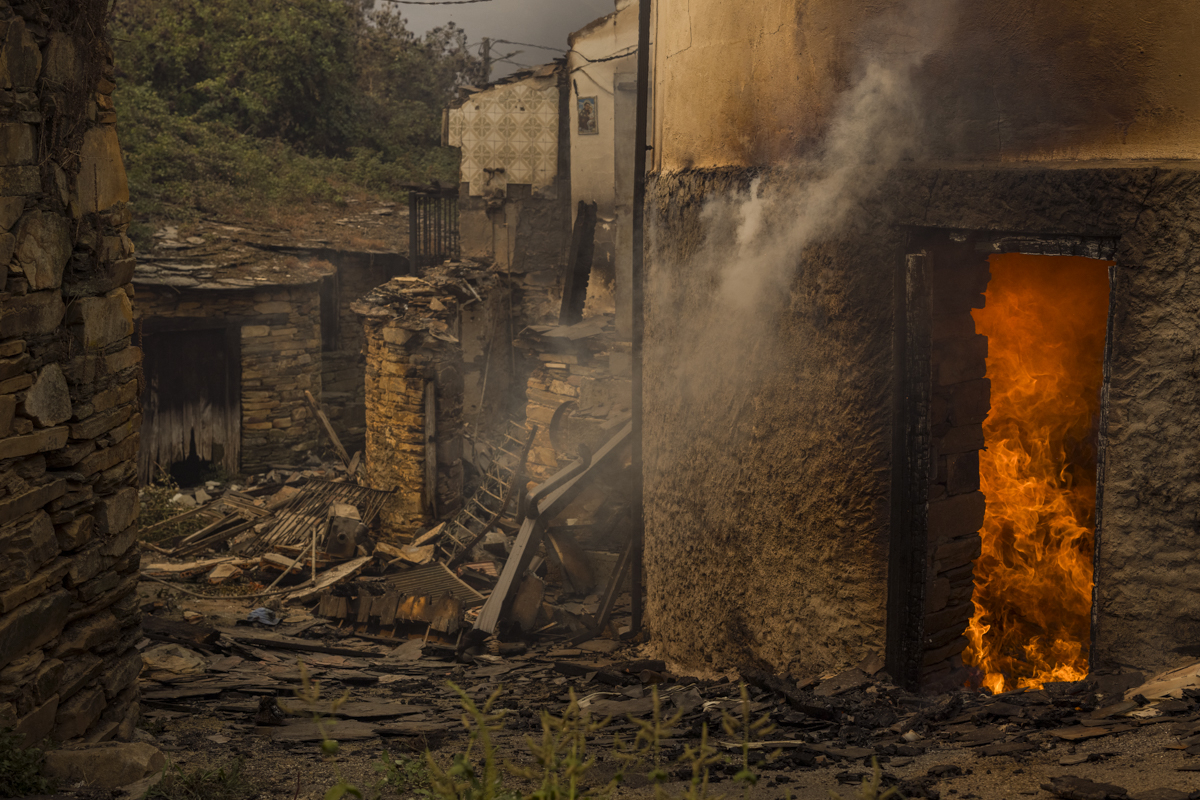
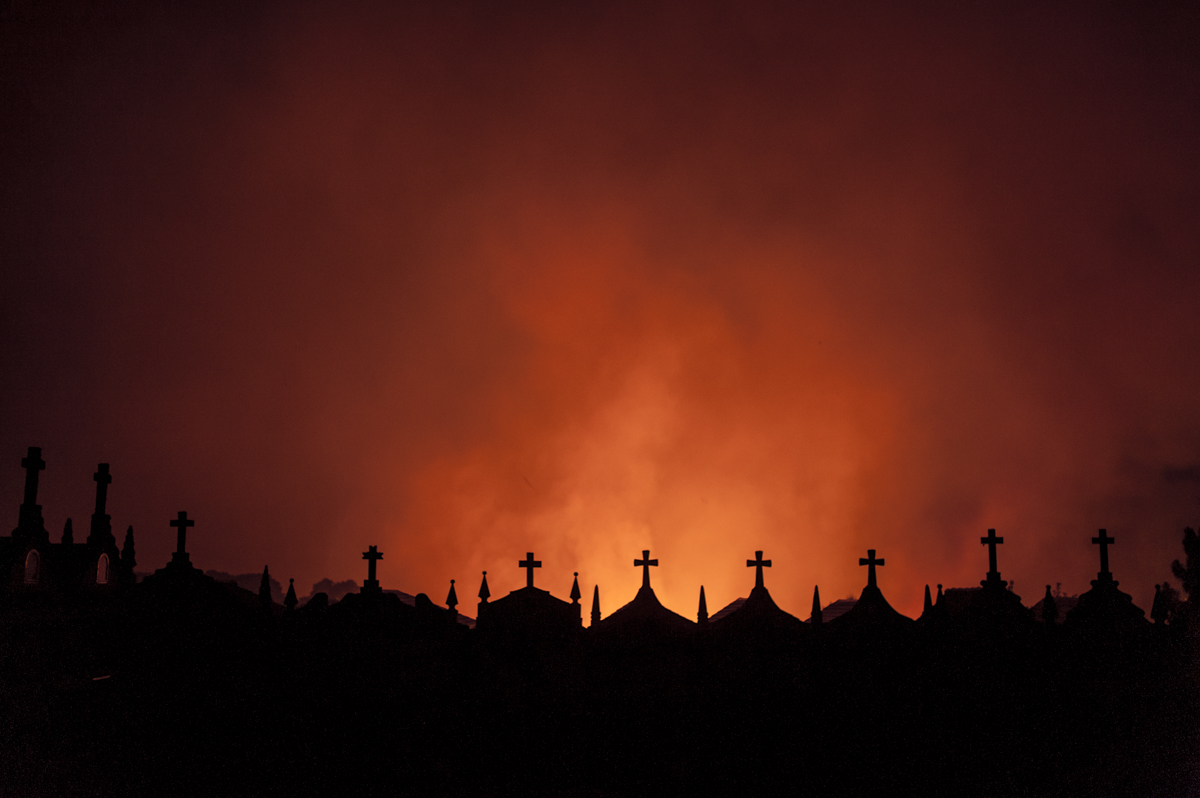
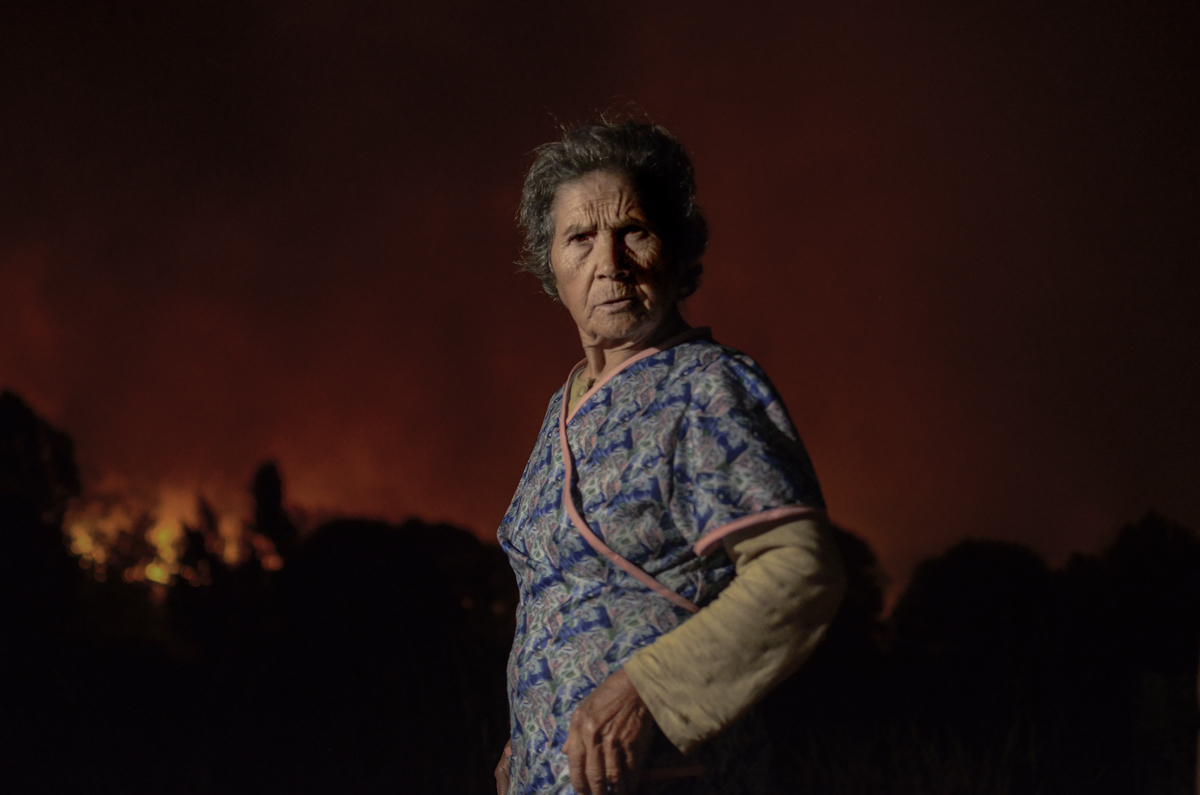
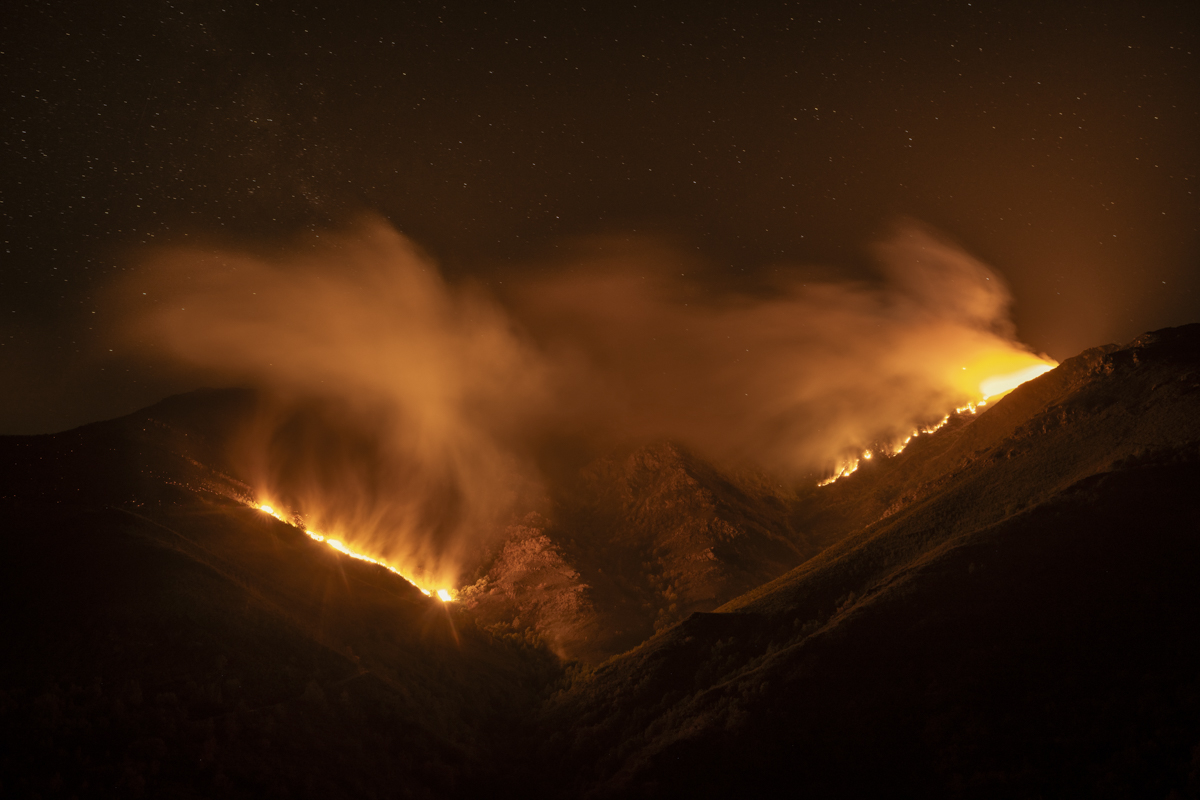
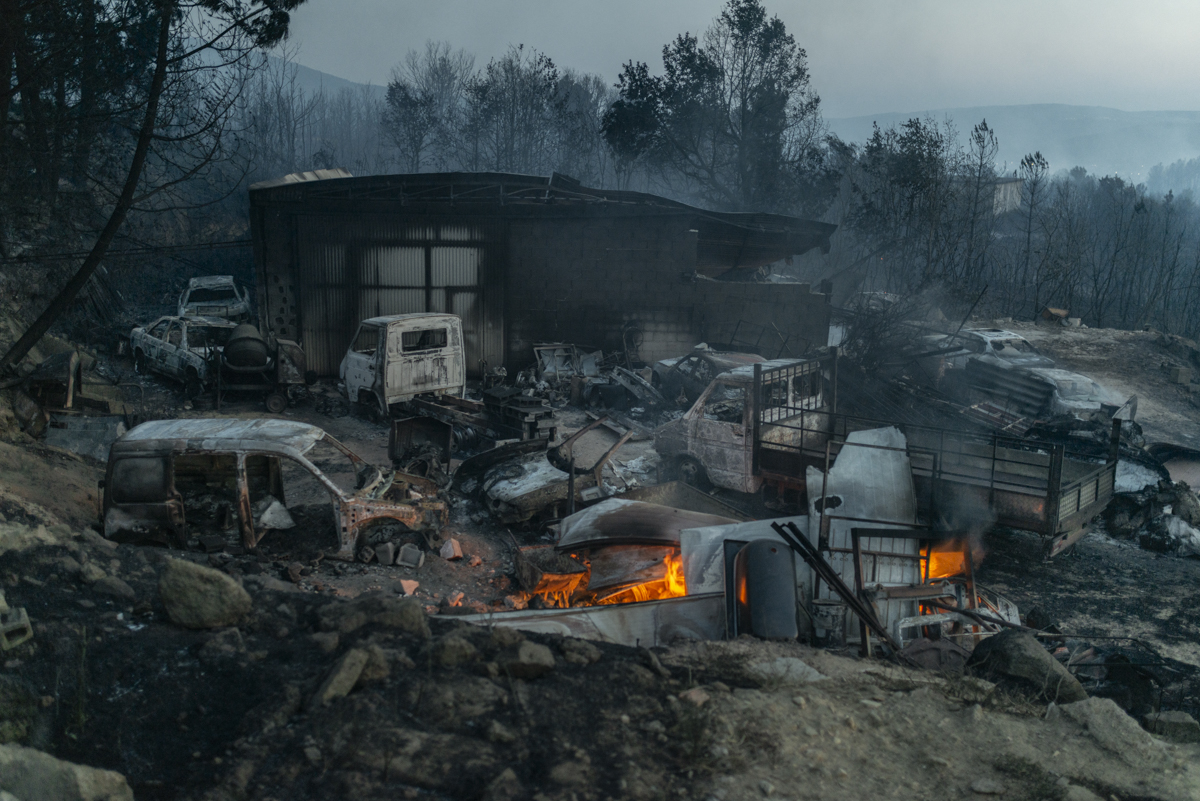
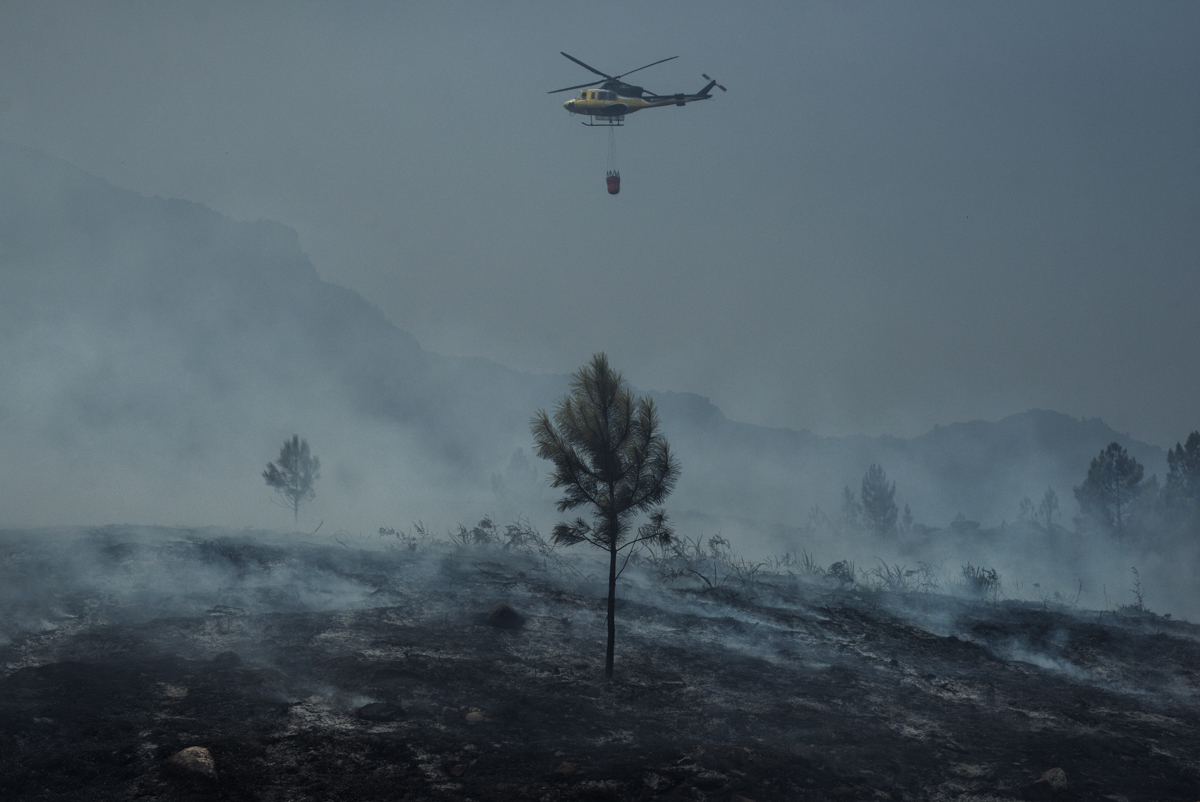
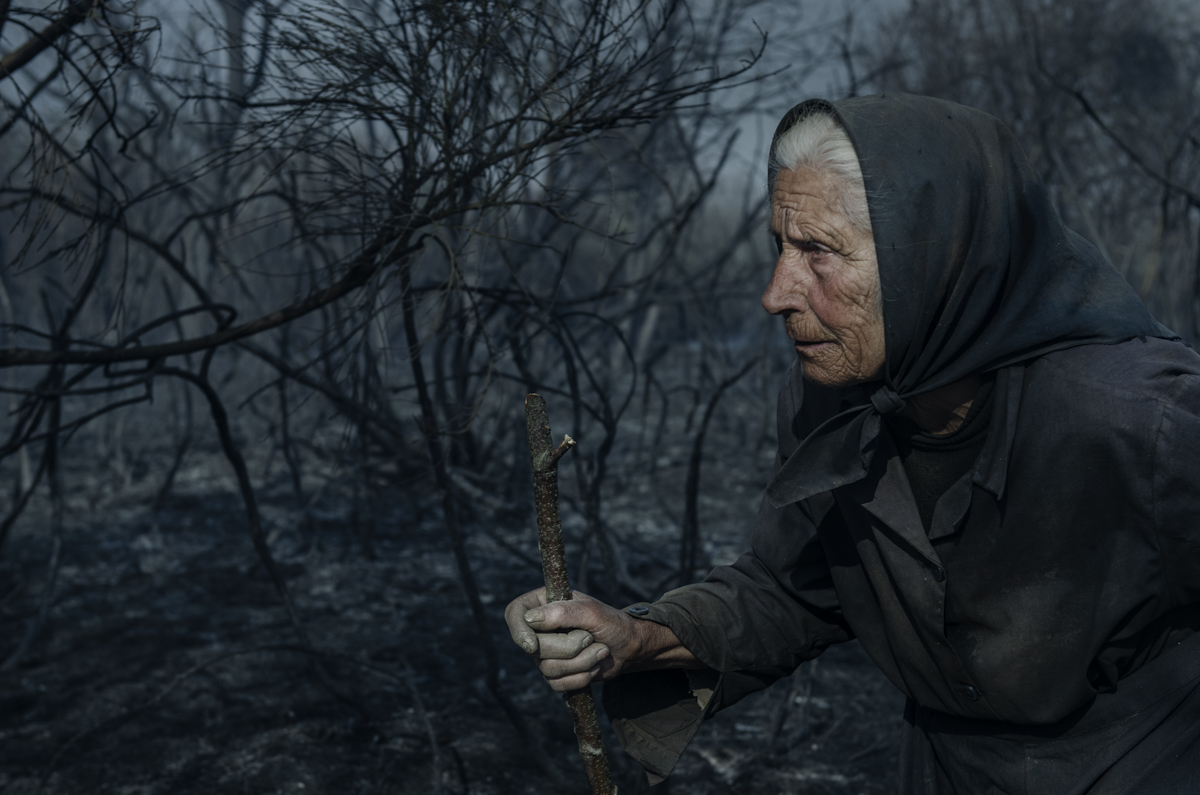
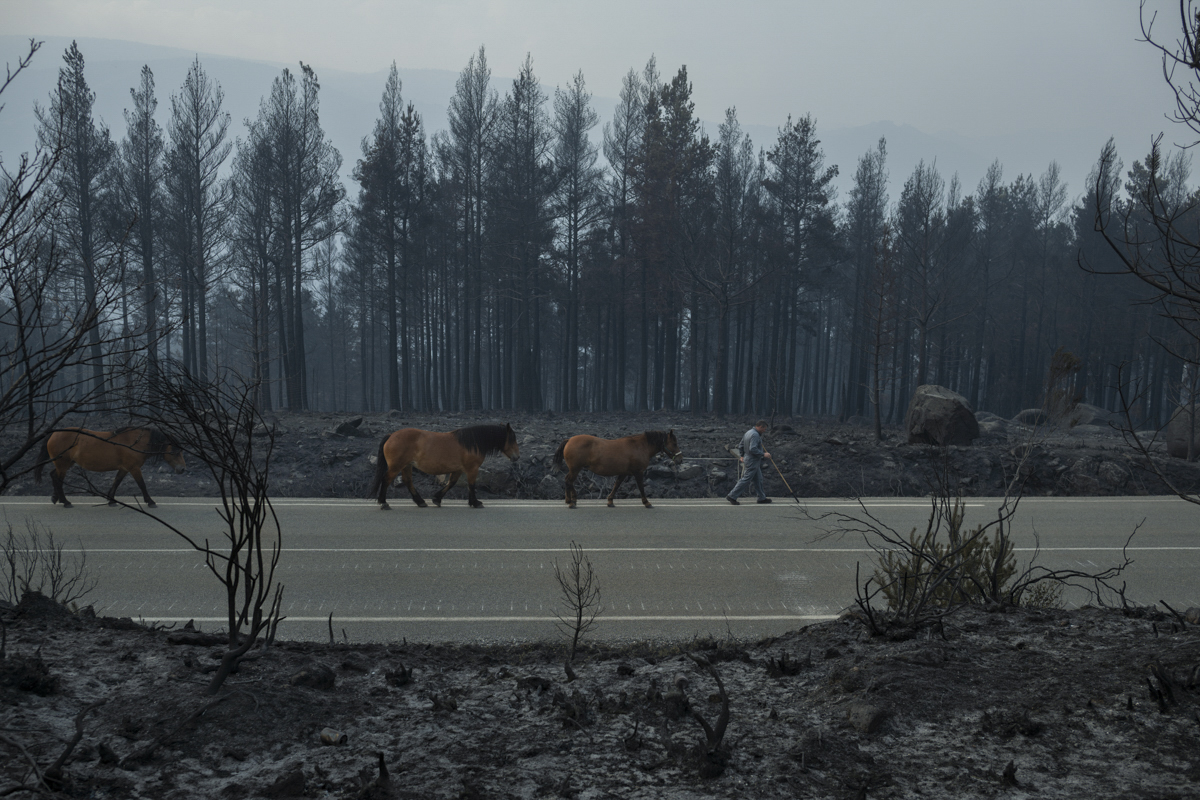
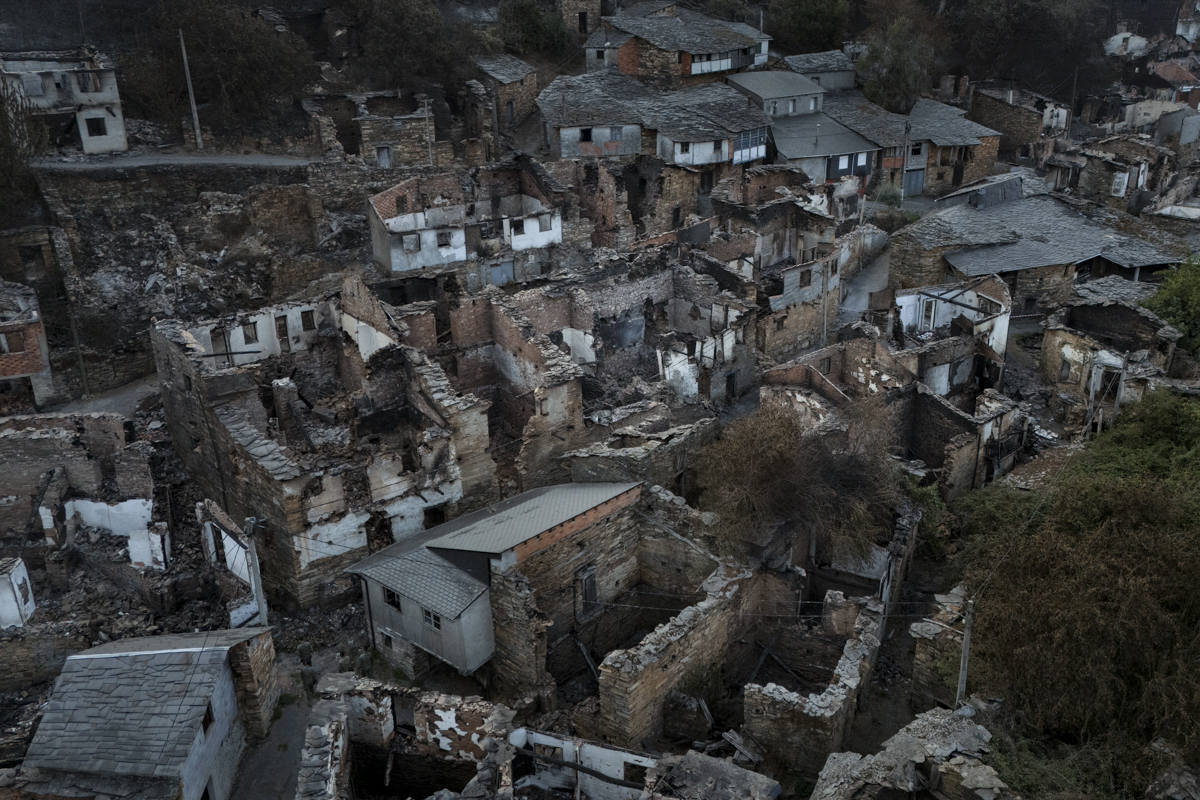
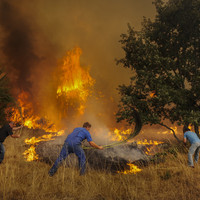
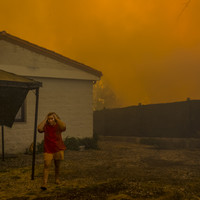
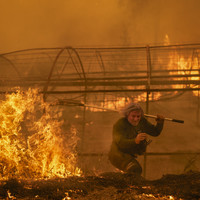
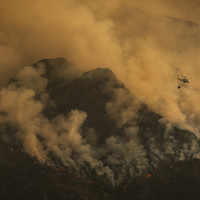
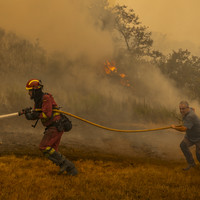
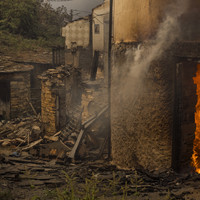
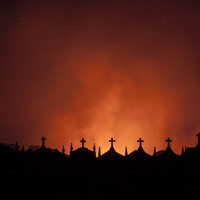
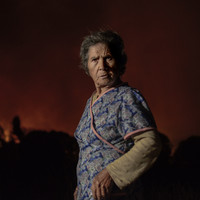
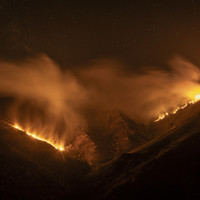
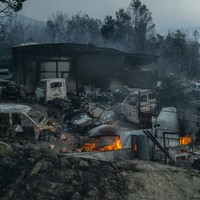
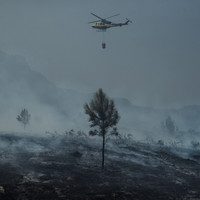
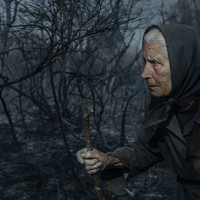
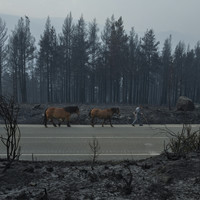
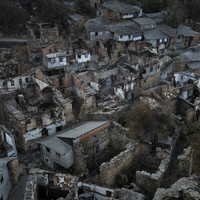
Burned Land is a documentary project developed over more than a decade of work that addresses the troubling reality of wildfires and seeks to raise awareness about their consequences.
I was born in Ourense, Galicia, in northwestern Spain. I grew up with the smell of smoke and the sound of firefighting aircraft during the summers. I became a photographer and, in 2011, began documenting this reality.
In 2025, an especially destructive wildfire season was recorded in many regions of the world, with record figures that clearly reflect the impact of the climate crisis and extreme weather conditions.
The problem of wildfires is particularly evident in southern Galicia, a territory with low population density and an increasingly visible abandonment of rural areas. Lands once dedicated to farming and livestock have been left unmanaged, accumulating forest mass vulnerable to fire.
Galicia is known as a land of water and rivers. Paradoxically, it is also one of the European regions most affected by wildfires, both in number of incidents and in burned surface area, along with northern neighboring Portugal.
In the summer of 2025 alone, hundreds of thousands of hectares burned across the region. These fires, known as “sixth-generation” wildfires, reveal a multifactorial problem in which rural abandonment, poor forest management, the accumulation of vegetation fuel, and an increasingly extreme climate converge, marked by prolonged heat waves and severe droughts.
Beyond the scorched landscape, the consequences of fire last for months and years. After the fires, the first rains wash ash and sediment down the burned slopes into rivers and water intakes, collapsing supply networks and leaving entire municipalities without drinking water. To mitigate these effects, teams of volunteers, together with authorities and technical experts, worked in the devastated areas placing protective barriers and vegetation mulches to reduce erosion and the runoff of ash into waterways.
A change of model is needed—one that supports policies capable of managing the land more efficiently and anchoring population in rural areas. Fire is a problem that will continue to grow, and only by adapting can we attempt to minimize its consequences.