
Overall Winner Series

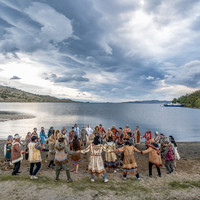
The Evenki of Eastern Siberia: The Mystical Culture of the Reindeer People
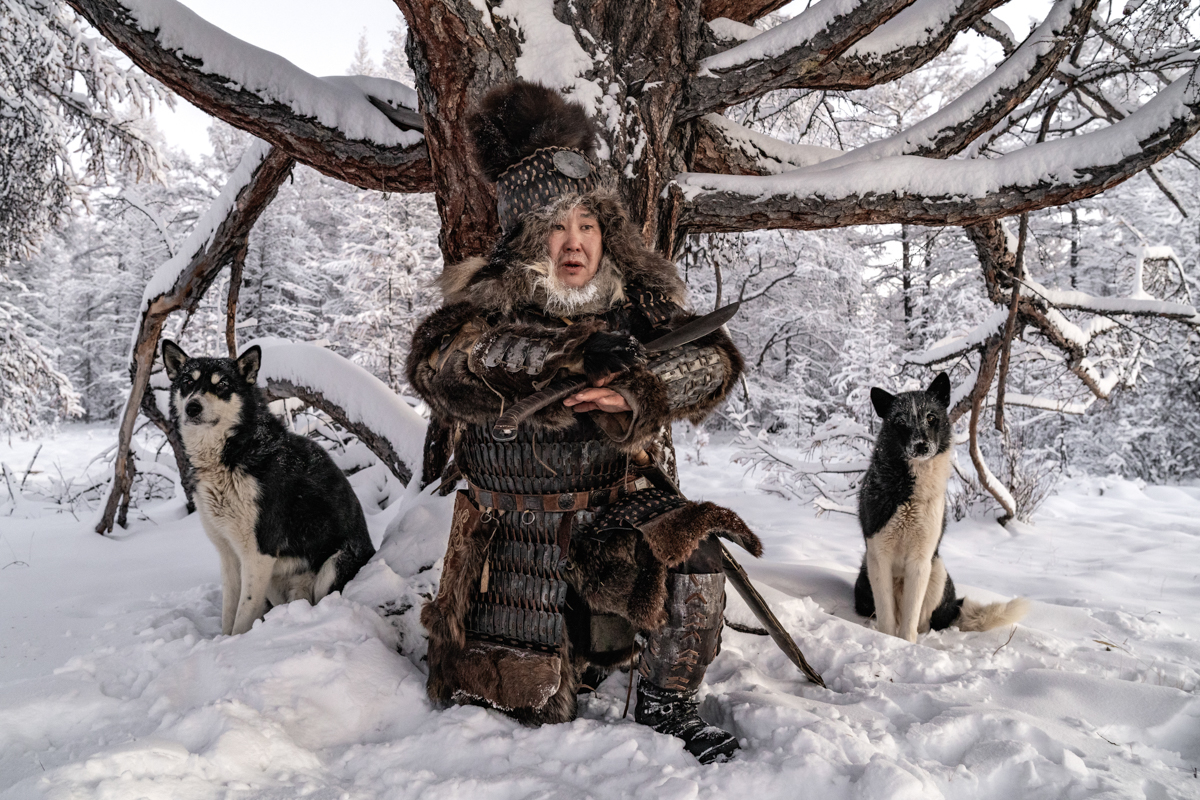
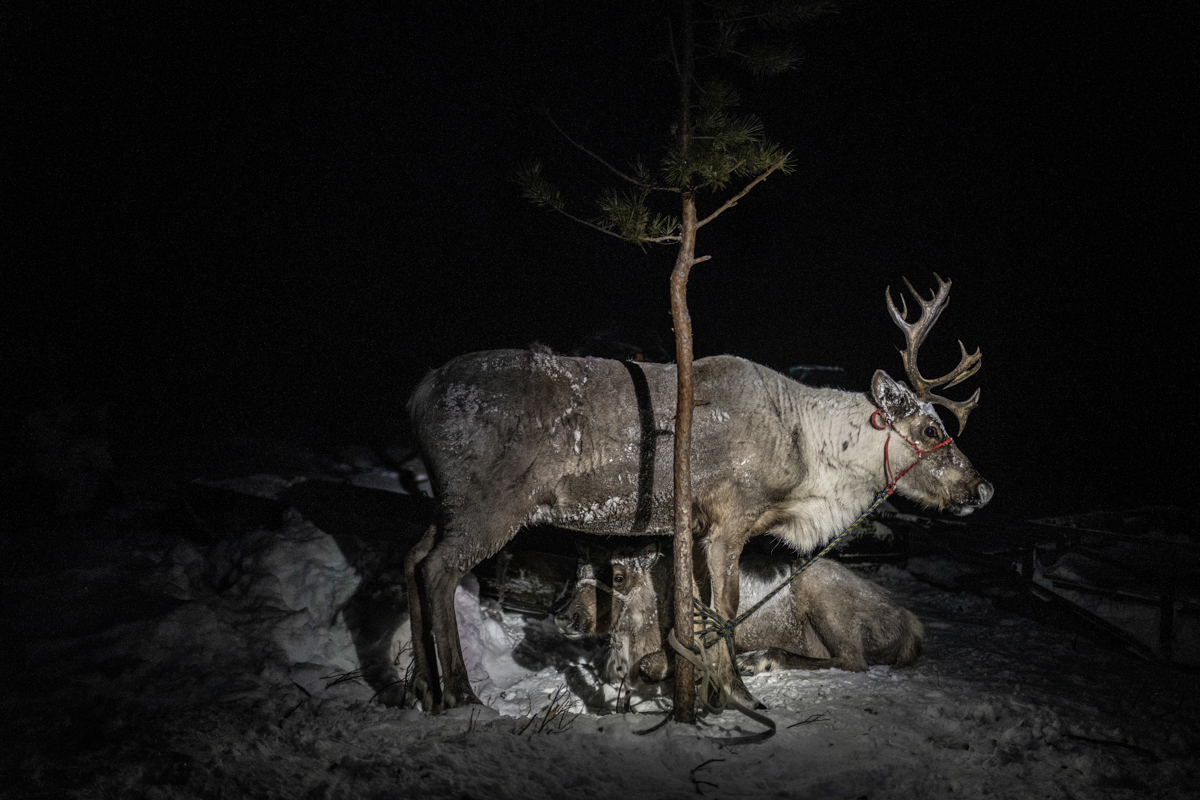
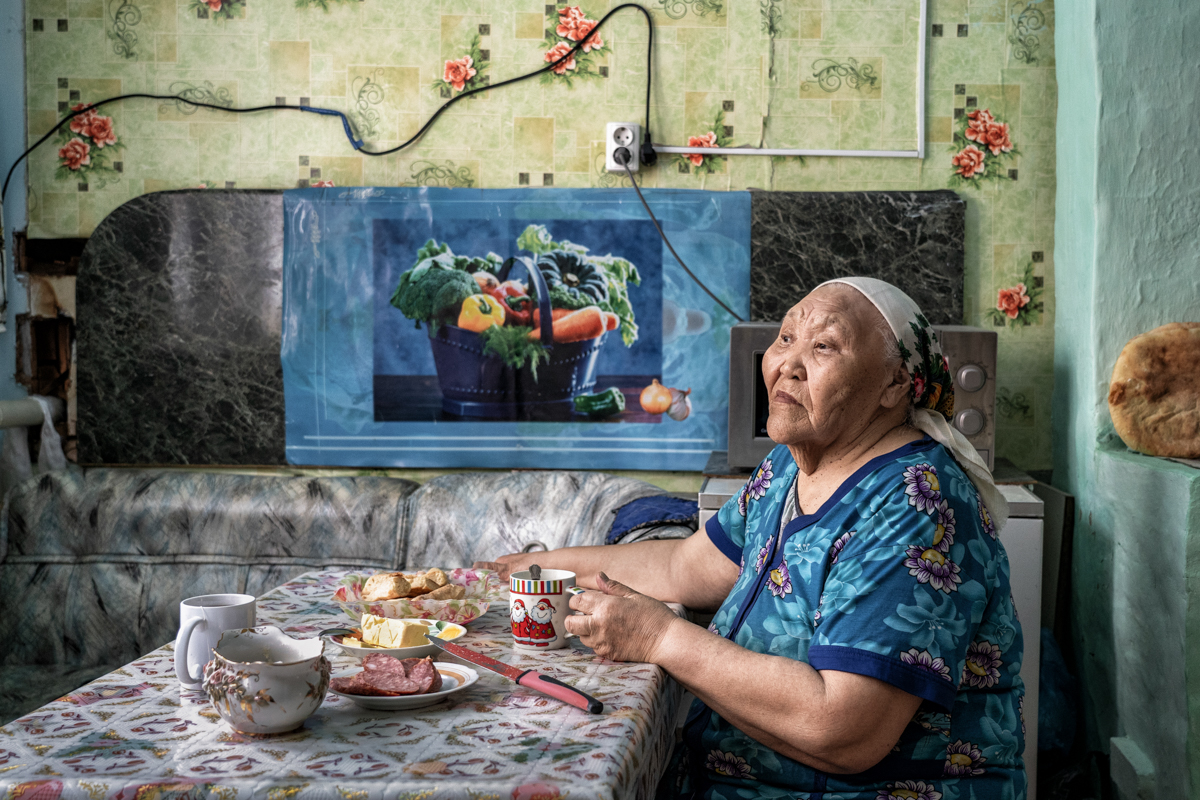
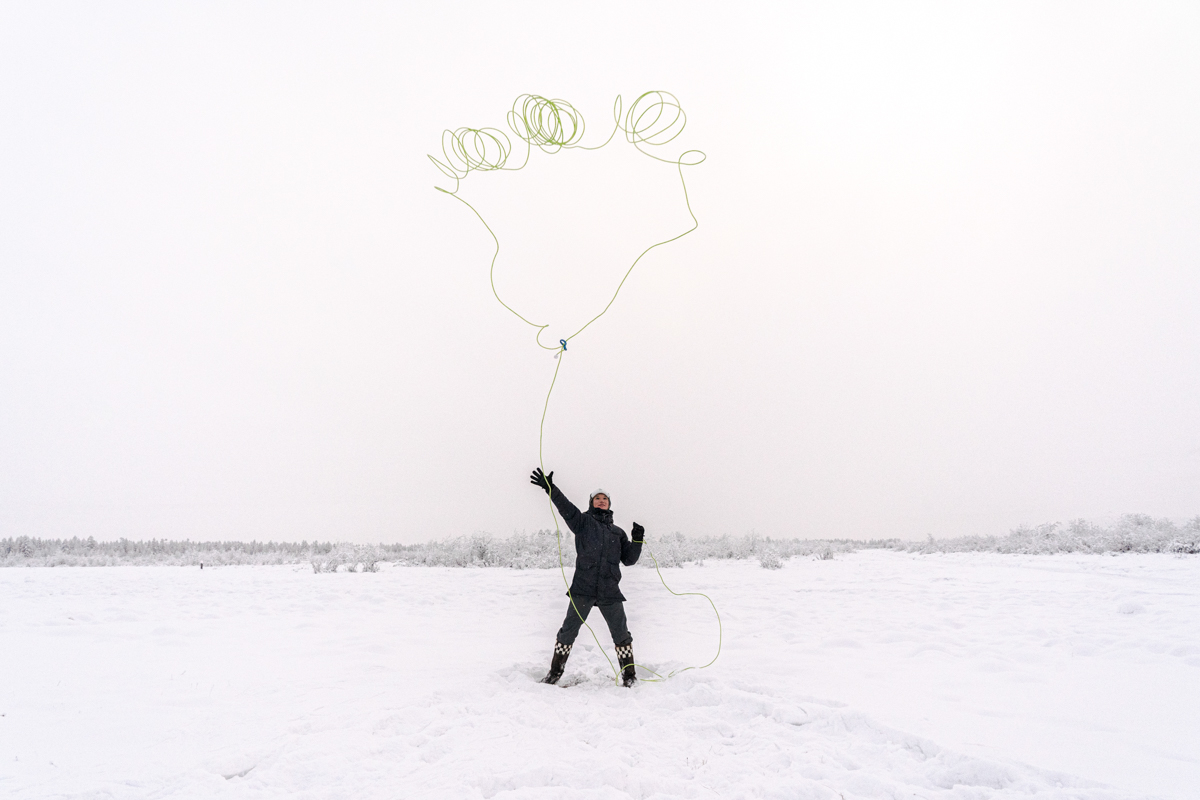
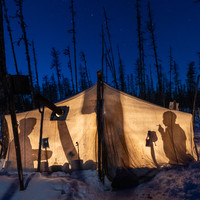
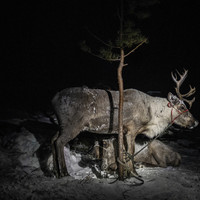
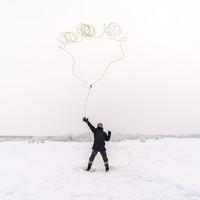
Across the vast expanses of Eastern Siberia, in Yakutia, live the Evenki, an Indigenous people traditionally engaged in reindeer herding. In a region where winter temperatures regularly fall below -40°C, they have developed a way of life closely connected to their environment, based on reindeer husbandry, hunting, and the transmission of knowledge adapted to extreme conditions.
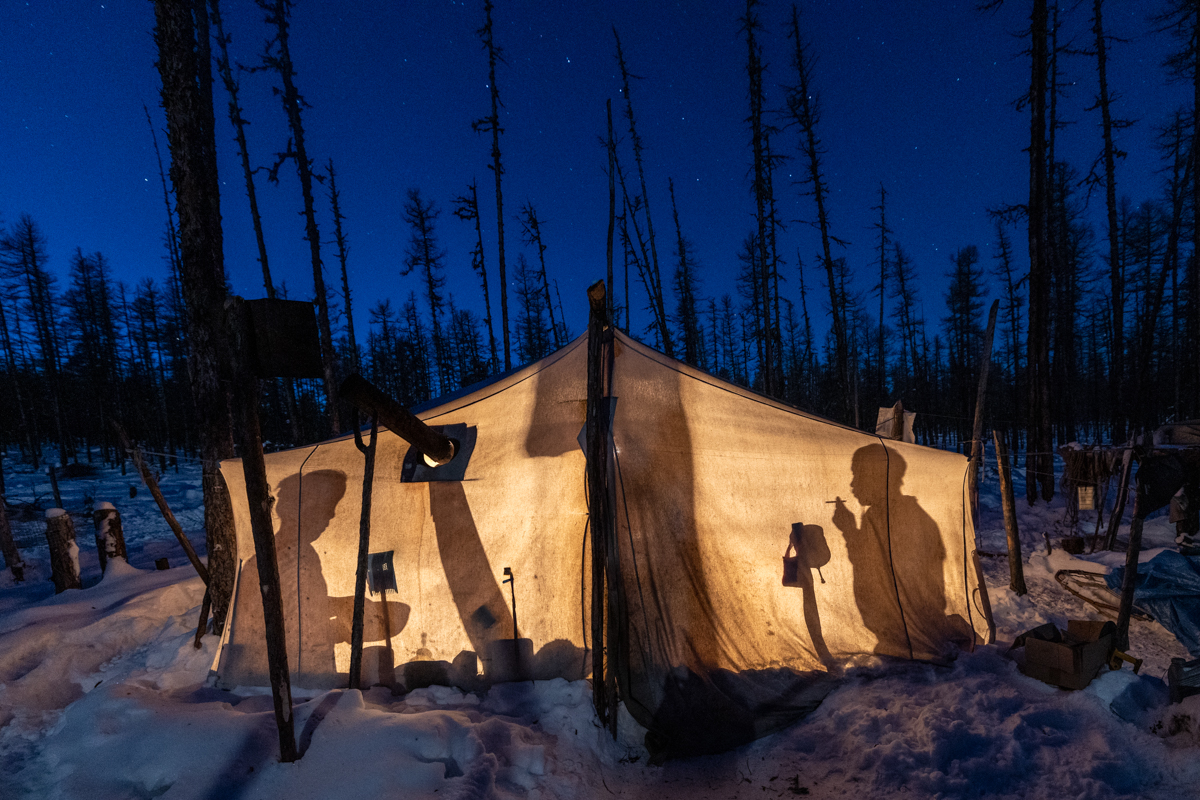
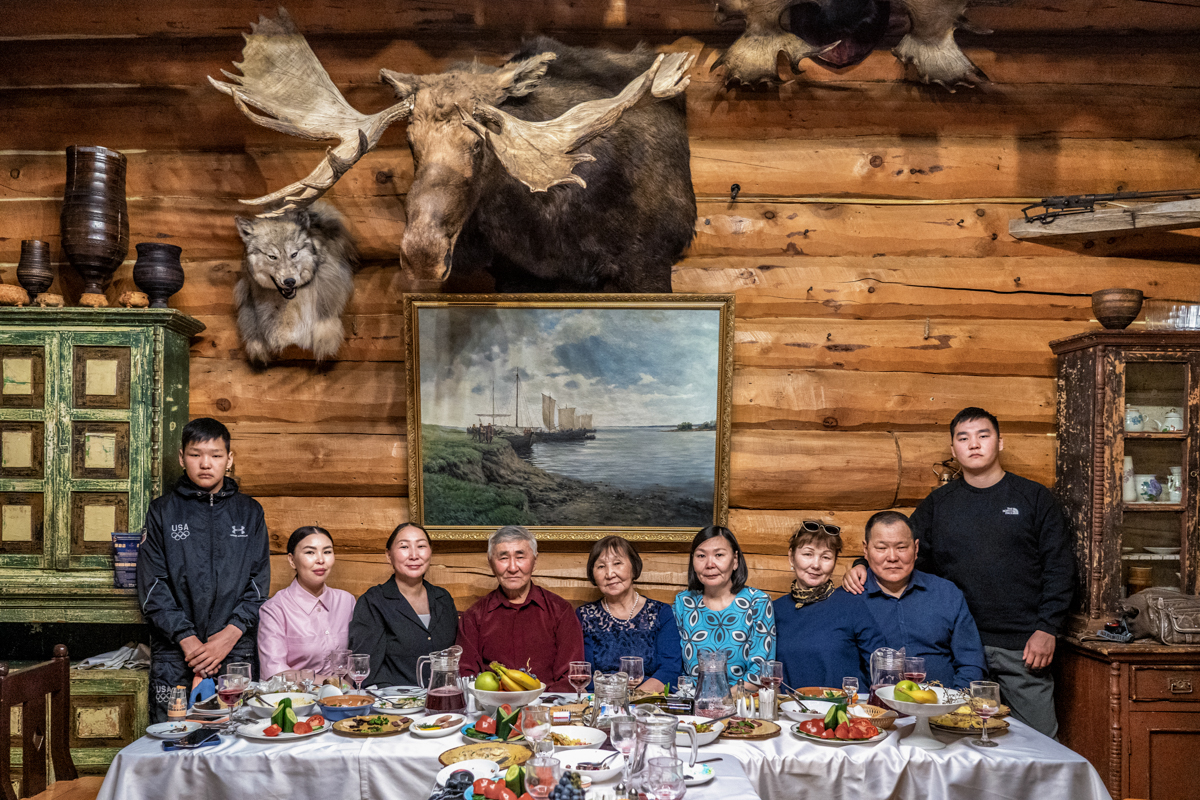
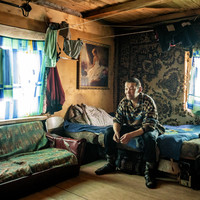
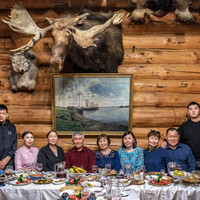
Their culture is rooted in shamanic traditions and a close relationship with nature. Everyday practices, songs, and material culture reflect a deep understanding of the land and the changing seasons. The taiga remains their primary living environment, shaping their movements, activities, and social organization.
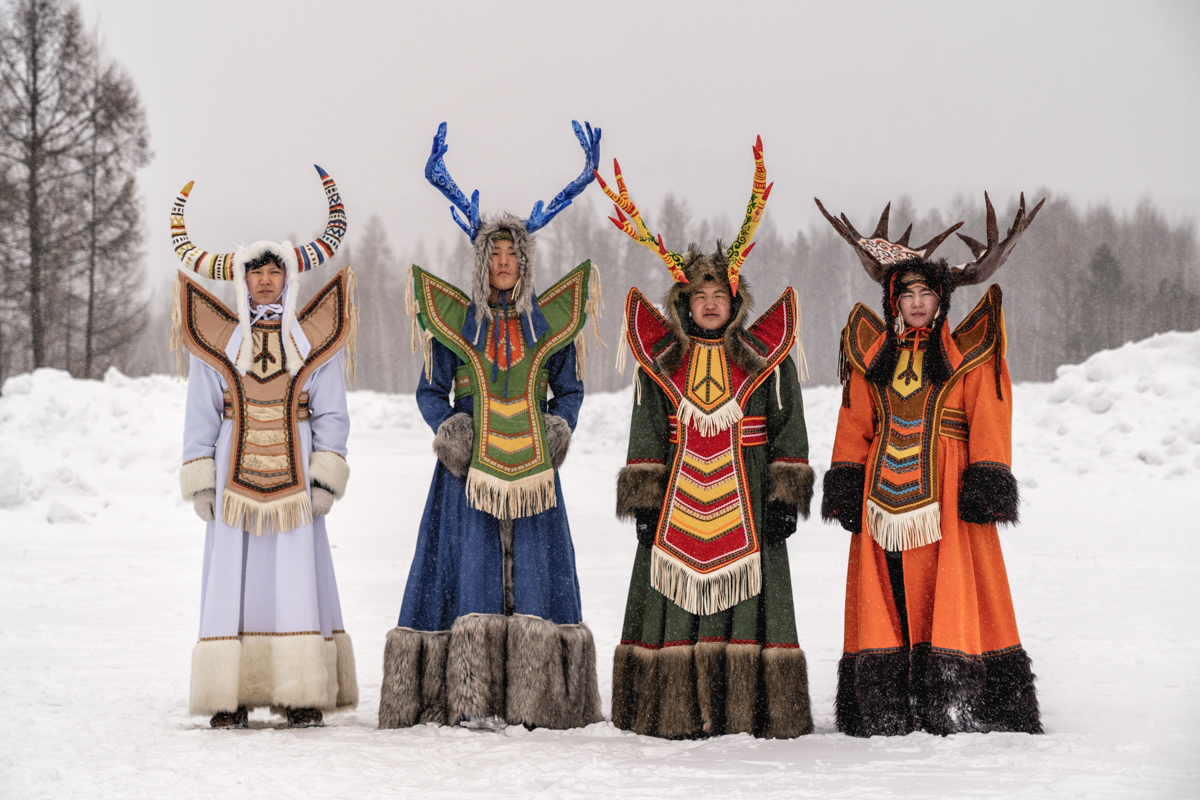
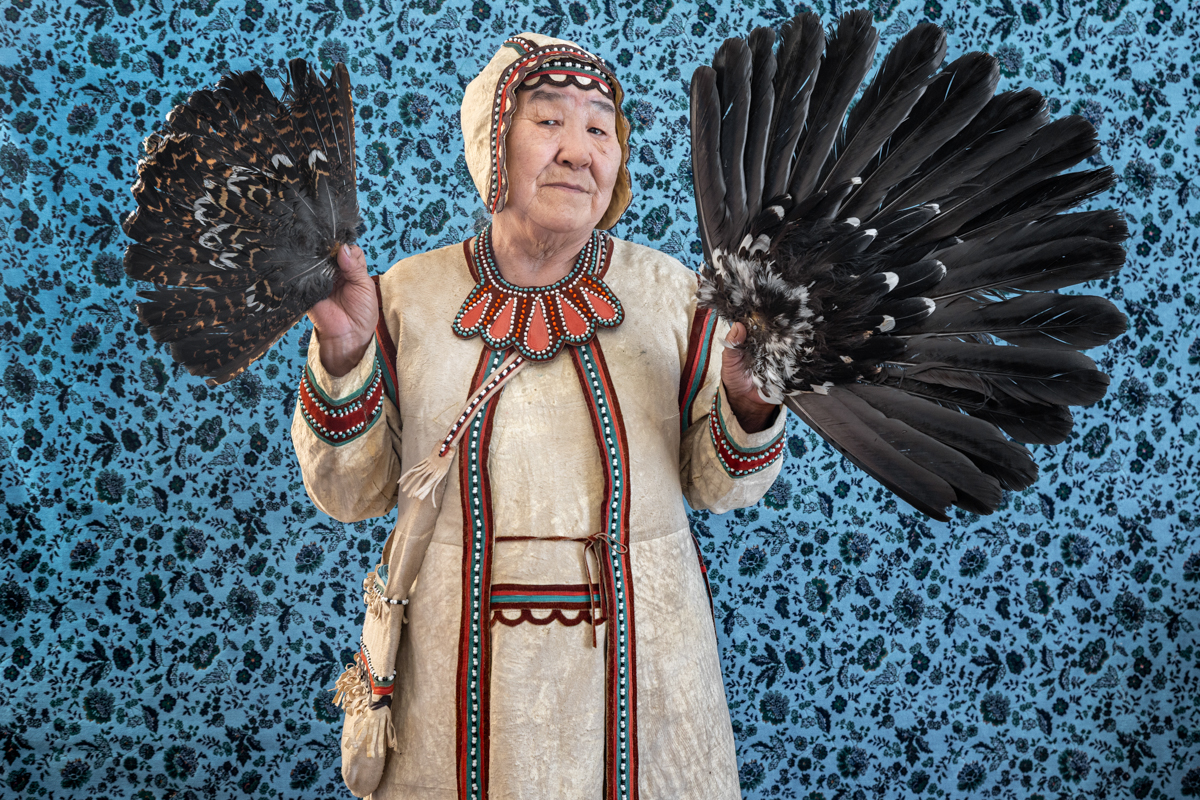
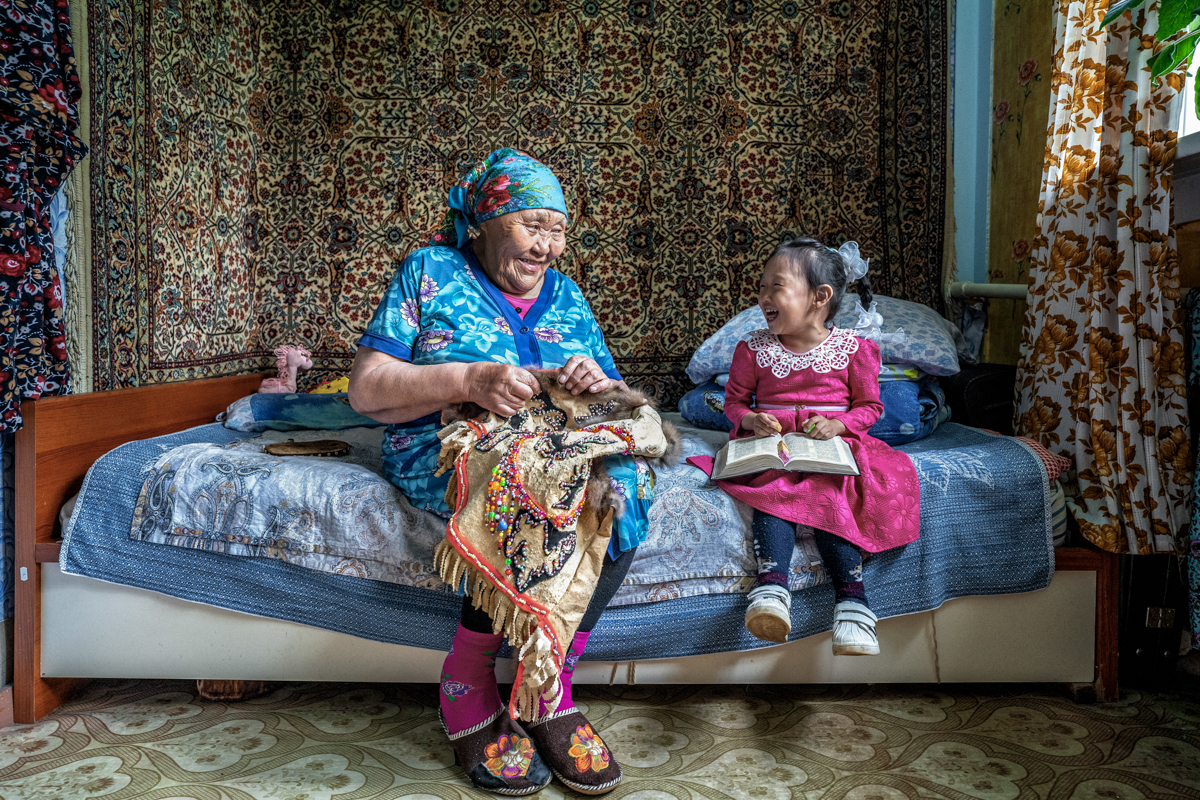
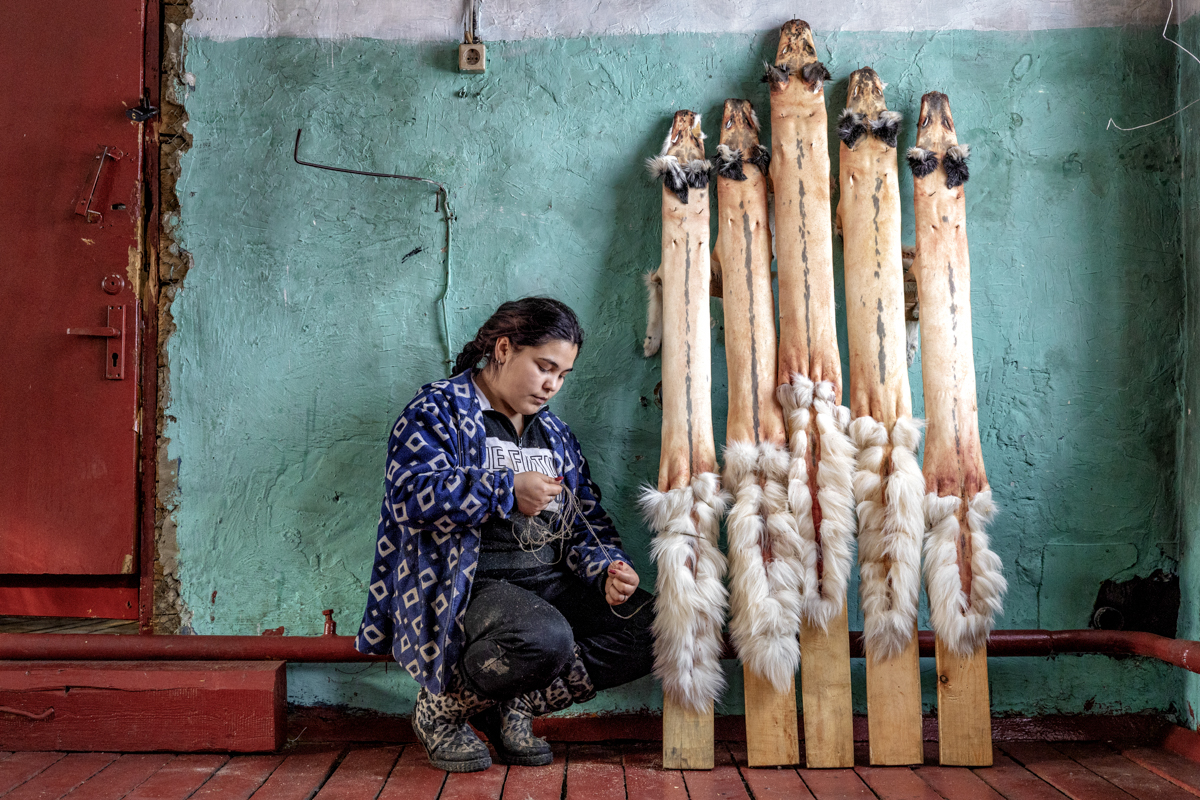
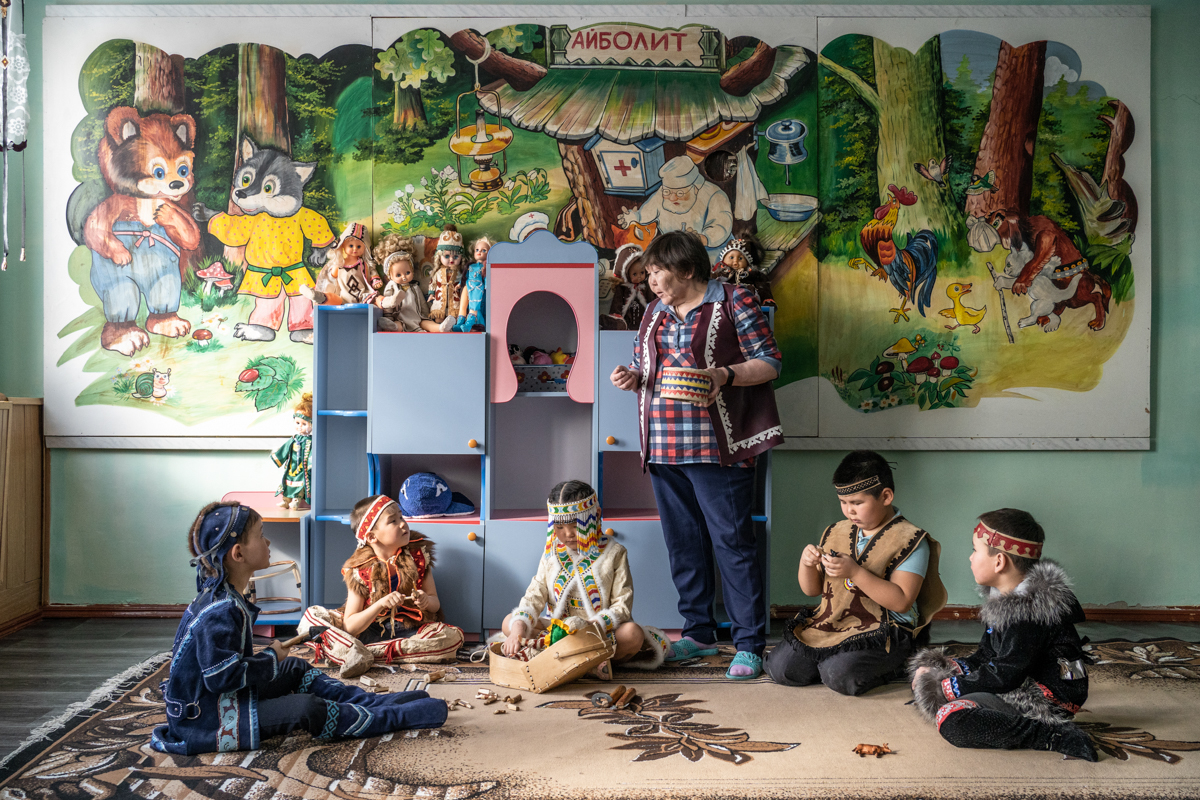
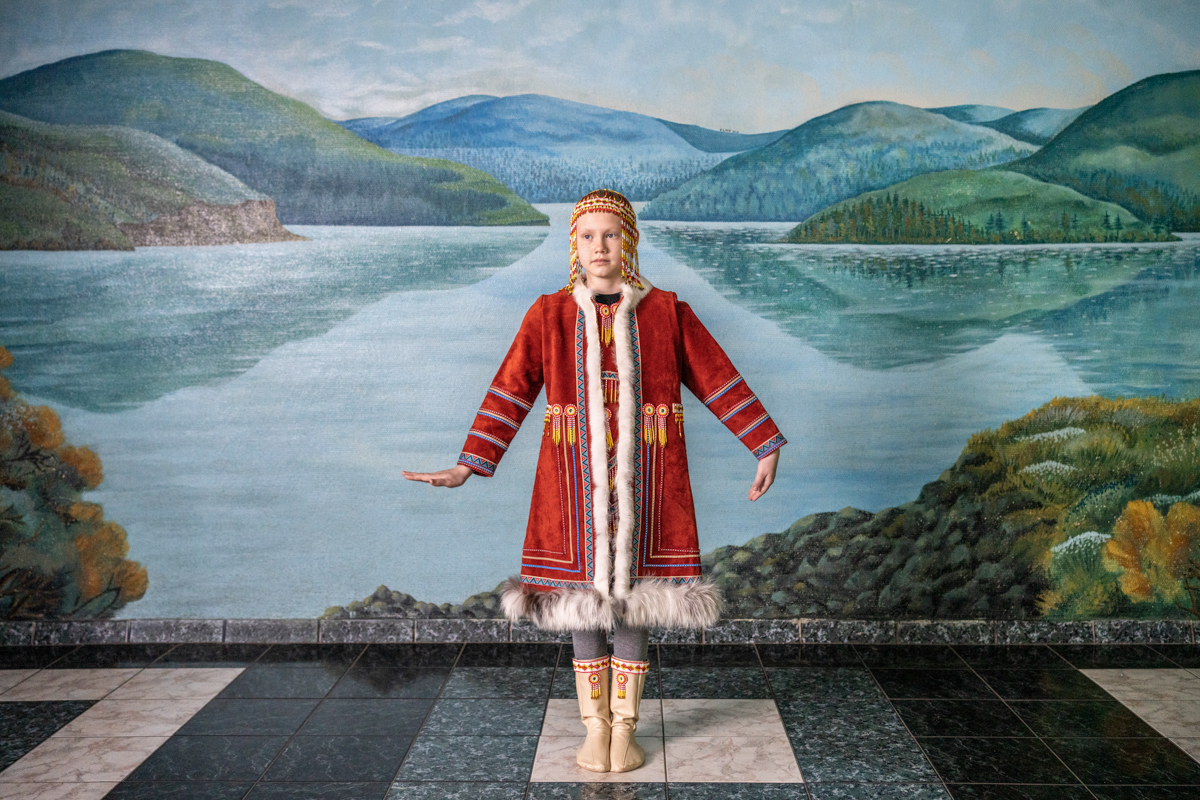
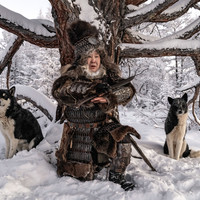
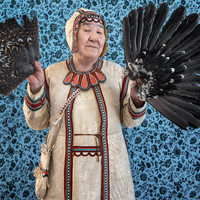
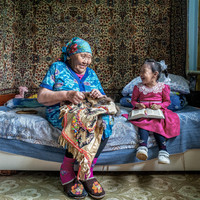
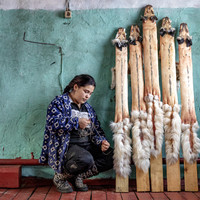
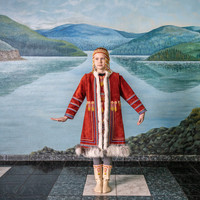
The Evenki also continue to make traditional clothing adapted to the harsh climate, using materials derived from reindeer, an animal essential to their livelihood. These practices testify to a long-standing adaptation to a demanding environment, now increasingly challenged by environmental and economic transformations.
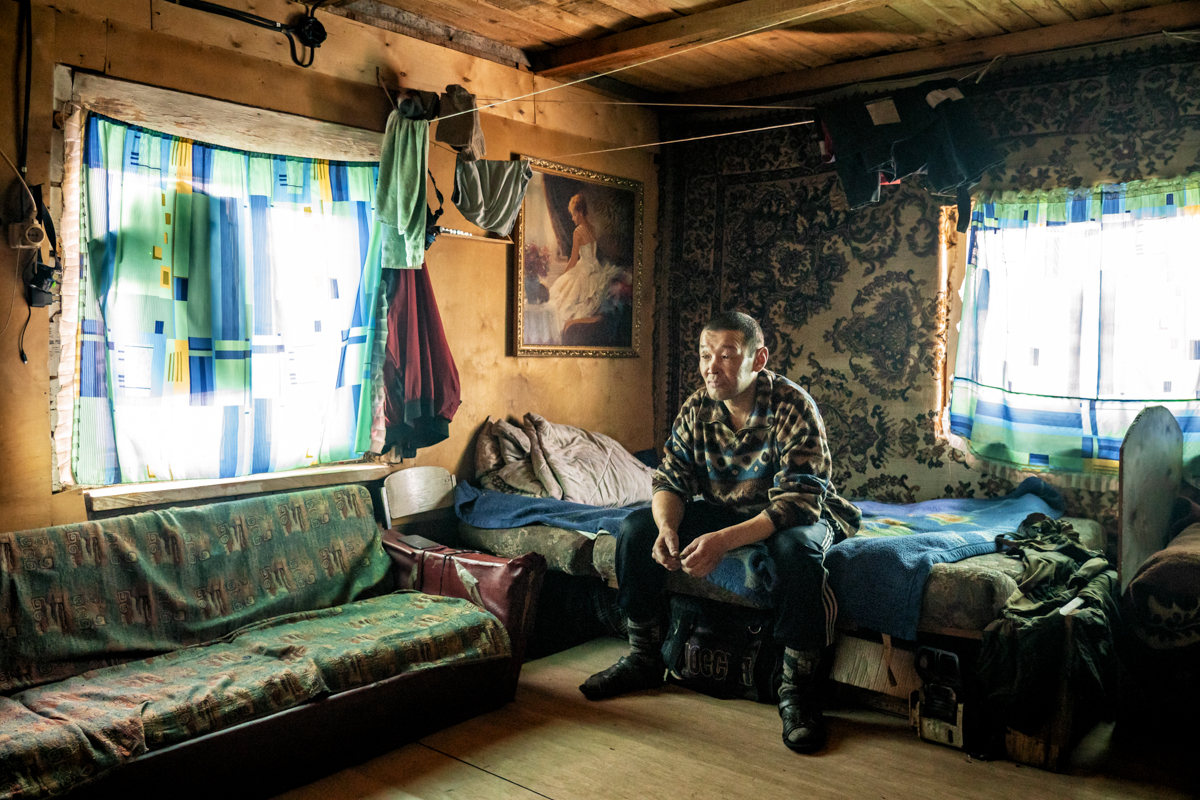
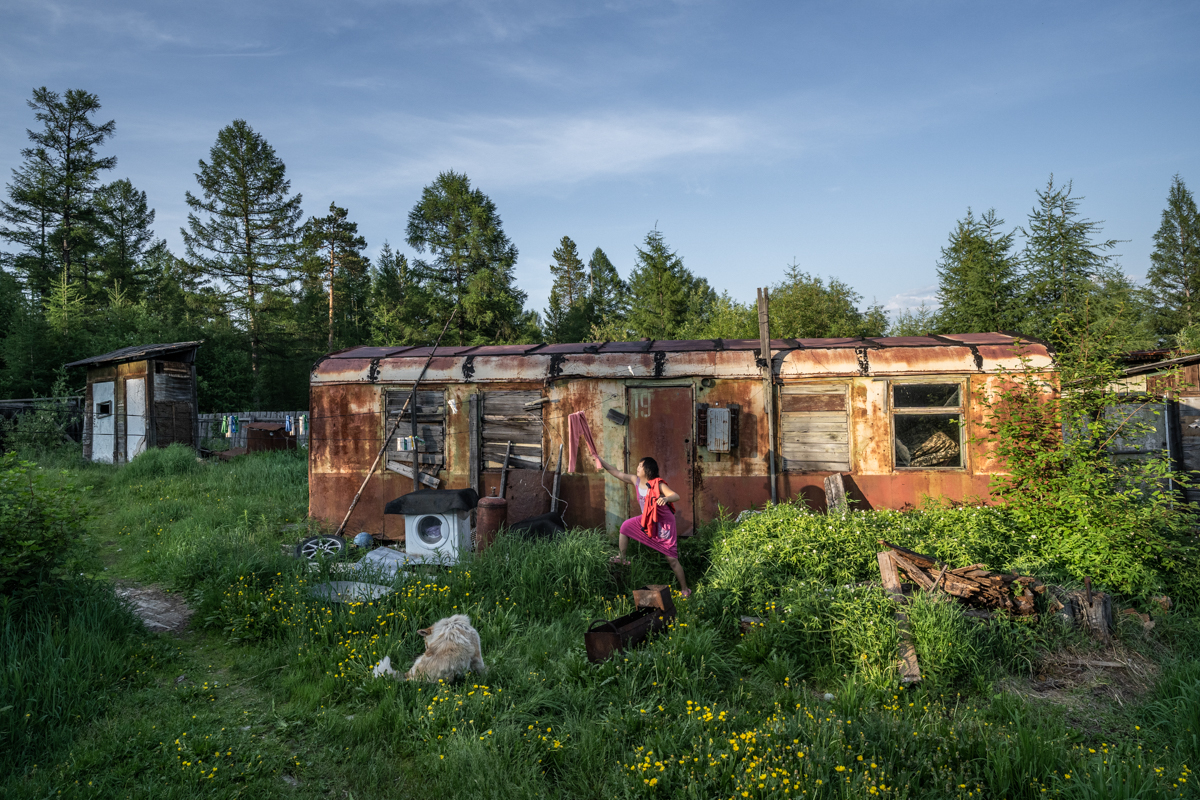
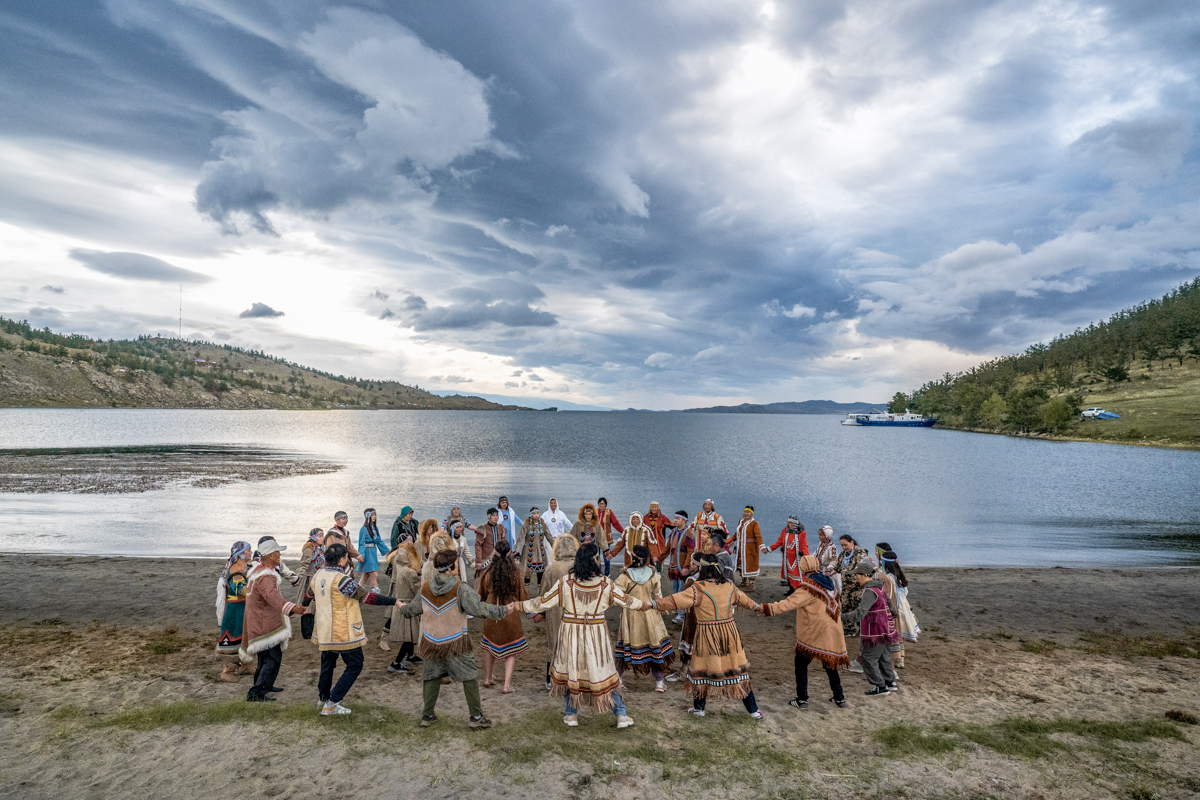
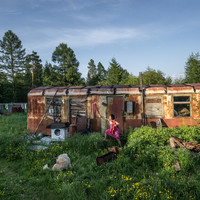
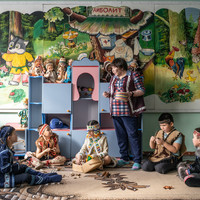
This way of life was profoundly affected during the twentieth century by Soviet policies of forced sedentarization and by the Gulag labor camp system, which was widespread throughout the region. Today, many Evenki communities are working to preserve and revitalize their culture by reaffirming their traditions, language, and connection to the land in the face of contemporary change.
Across the vast expanses of Eastern Siberia, in Yakutia, live the Evenki, an Indigenous people traditionally engaged in reindeer herding. In a region where winter temperatures regularly fall below -40°C, they have developed a way of life closely connected to their environment, based on reindeer husbandry, hunting, and the transmission of knowledge adapted to extreme conditions.
Their culture is rooted in shamanic traditions and a close relationship with nature. Everyday practices, songs, and material culture reflect a deep understanding of the land and the changing seasons. The taiga remains their primary living environment, shaping their movements, activities, and social organization.
The Evenki also continue to make traditional clothing adapted to the harsh climate, using materials derived from reindeer, an animal essential to their livelihood. These practices testify to a long-standing adaptation to a demanding environment, now increasingly challenged by environmental and economic transformations.
This way of life was profoundly affected during the twentieth century by Soviet policies of forced sedentarization and by the Gulag labor camp system, which was widespread throughout the region. Today, many Evenki communities are working to preserve and revitalize their culture by reaffirming their traditions, language, and connection to the land in the face of contemporary change.